


The Day You Left
Synopsis
In 1838, Astrid dreams of her deceased father's return. Though her dream comes true, she must confront the harsh reality that things can never be as they once were.
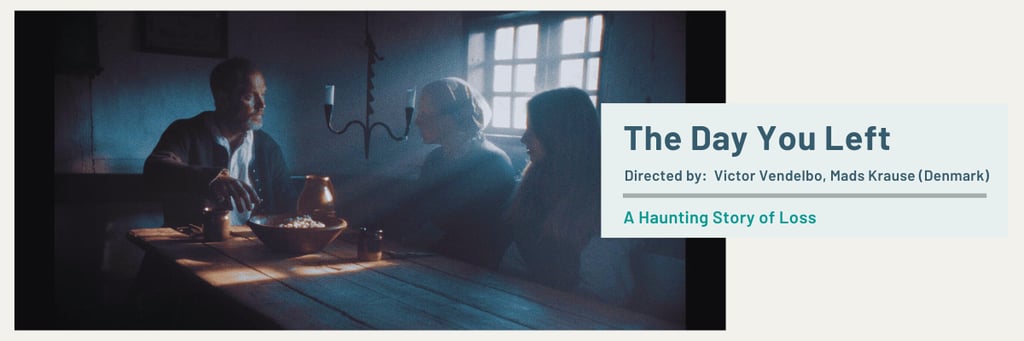
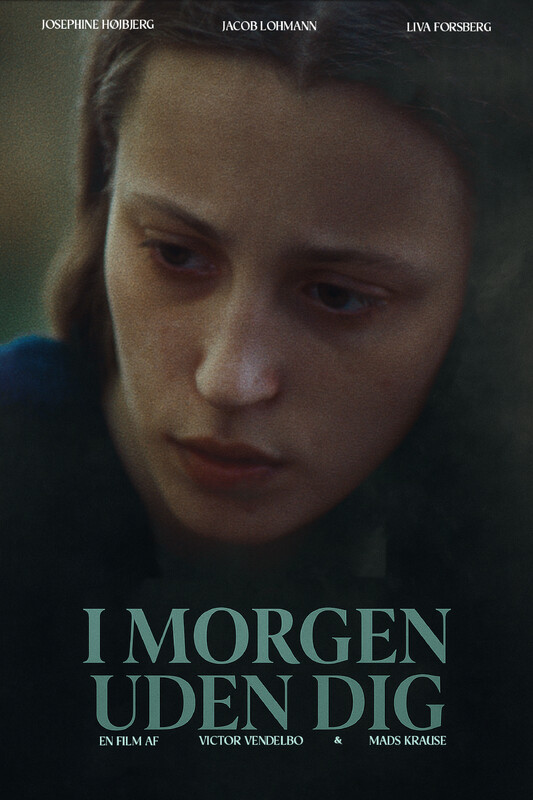
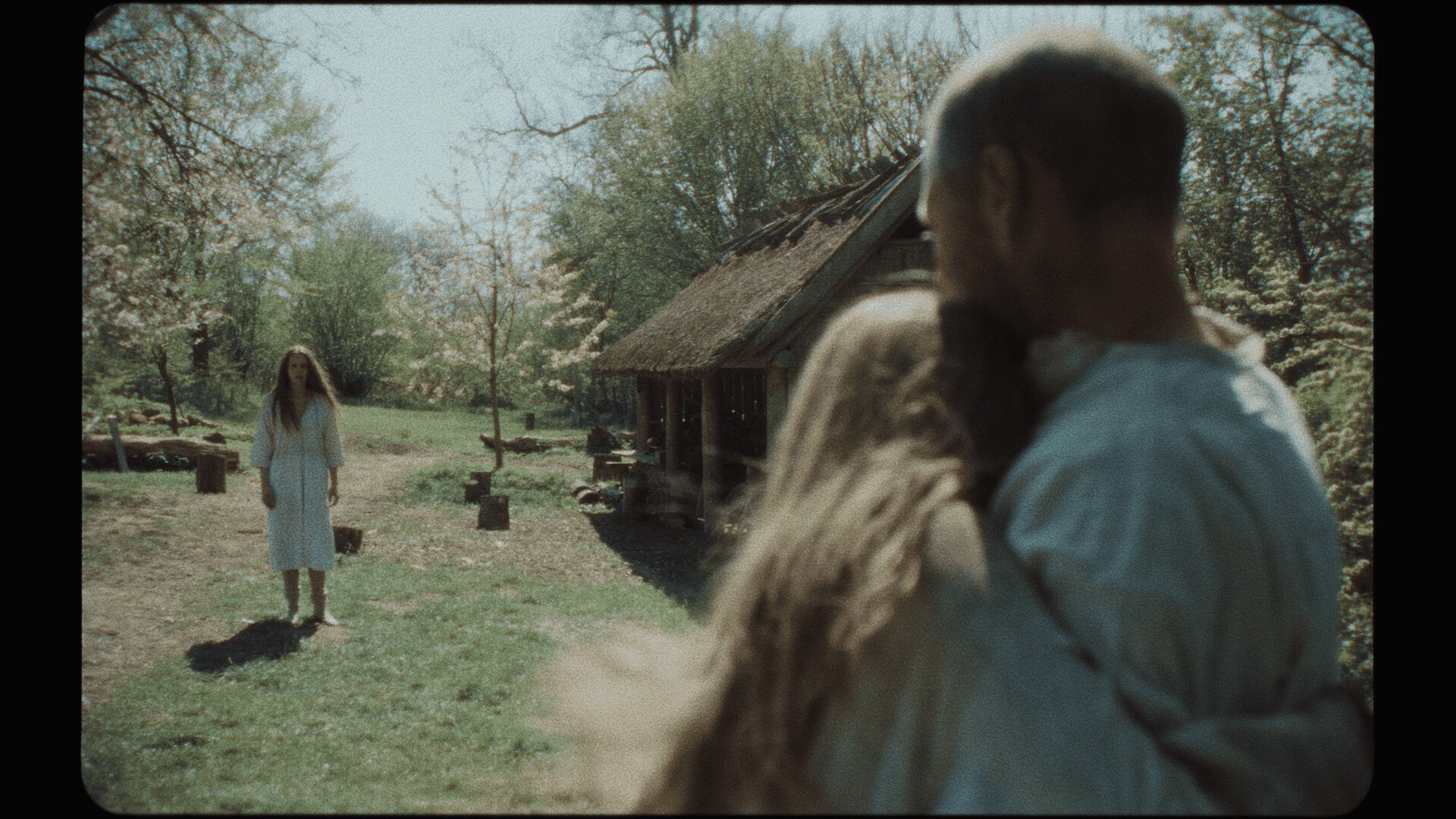
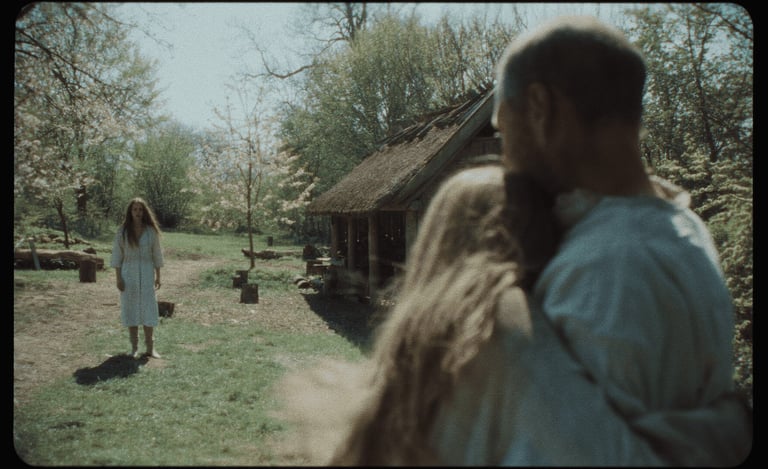
The graduation movie, The Day You Left is a haunting story of loss, absence, and thin line between the past and present by Danish filmmakers Victor Vendelbo and Mads Krause. The action of the movie is in 1838, when the main character, Astrid, is played by Josephine Hoejbjerg, with a silent intensity, dreaming of her father coming back. These same ideals soon turn into a painful realization of the reality, which, painfully enough, is about to face her that nothing in life will ever be exactly the same as it once was. Vendelbo and Krause already prove their adult knowledge of storytelling in the first collaborative project at Super8, combining Gothic world with thoroughly human emotional realities.
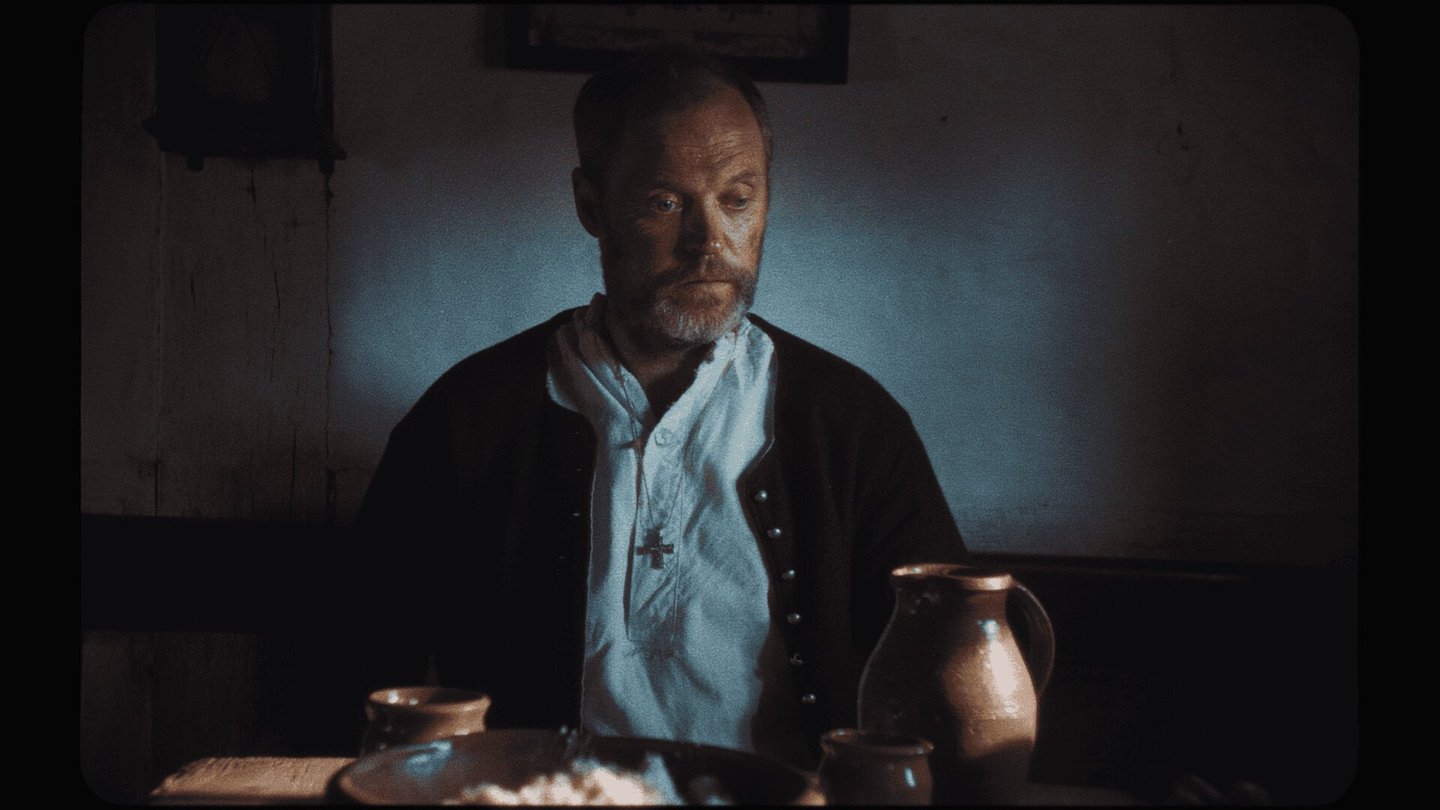
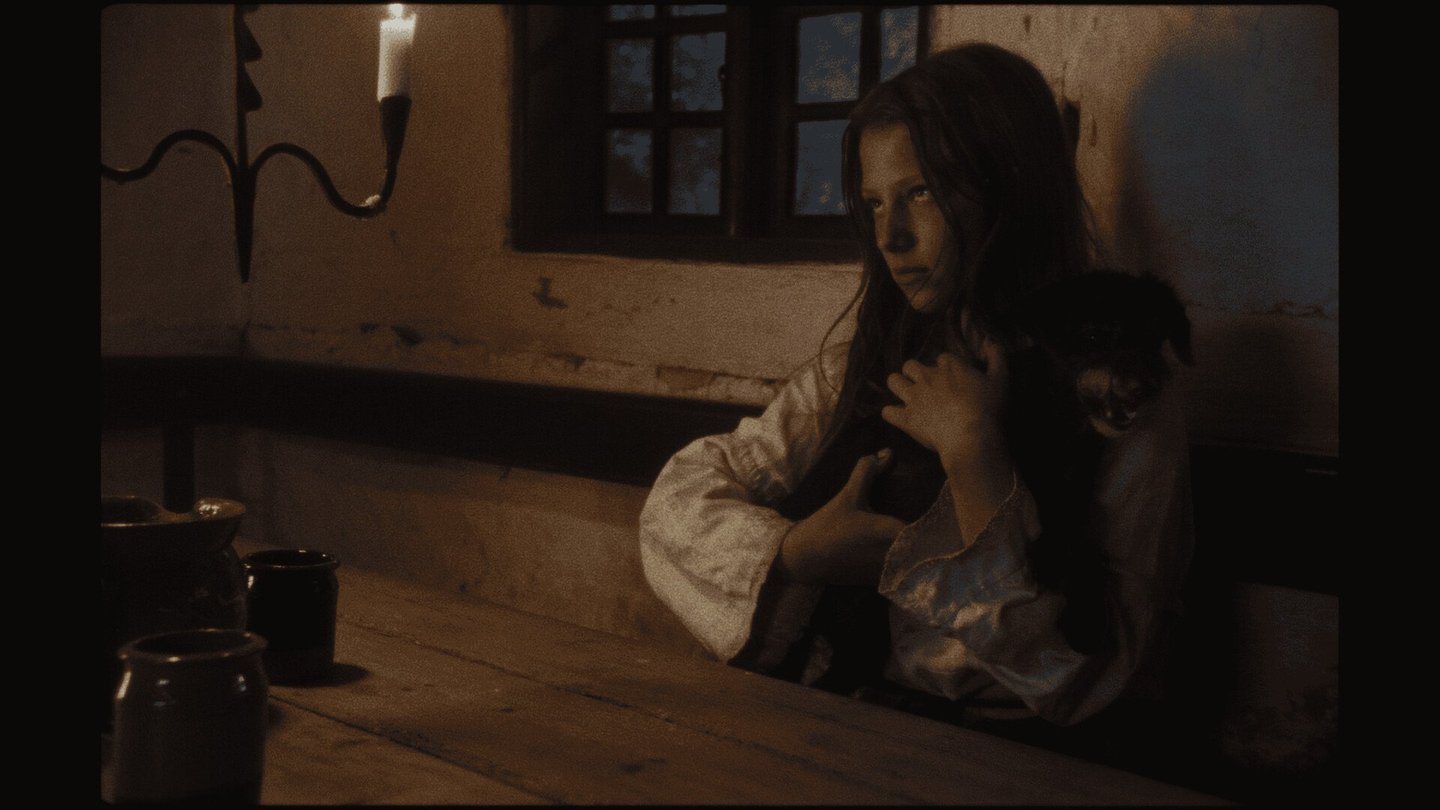
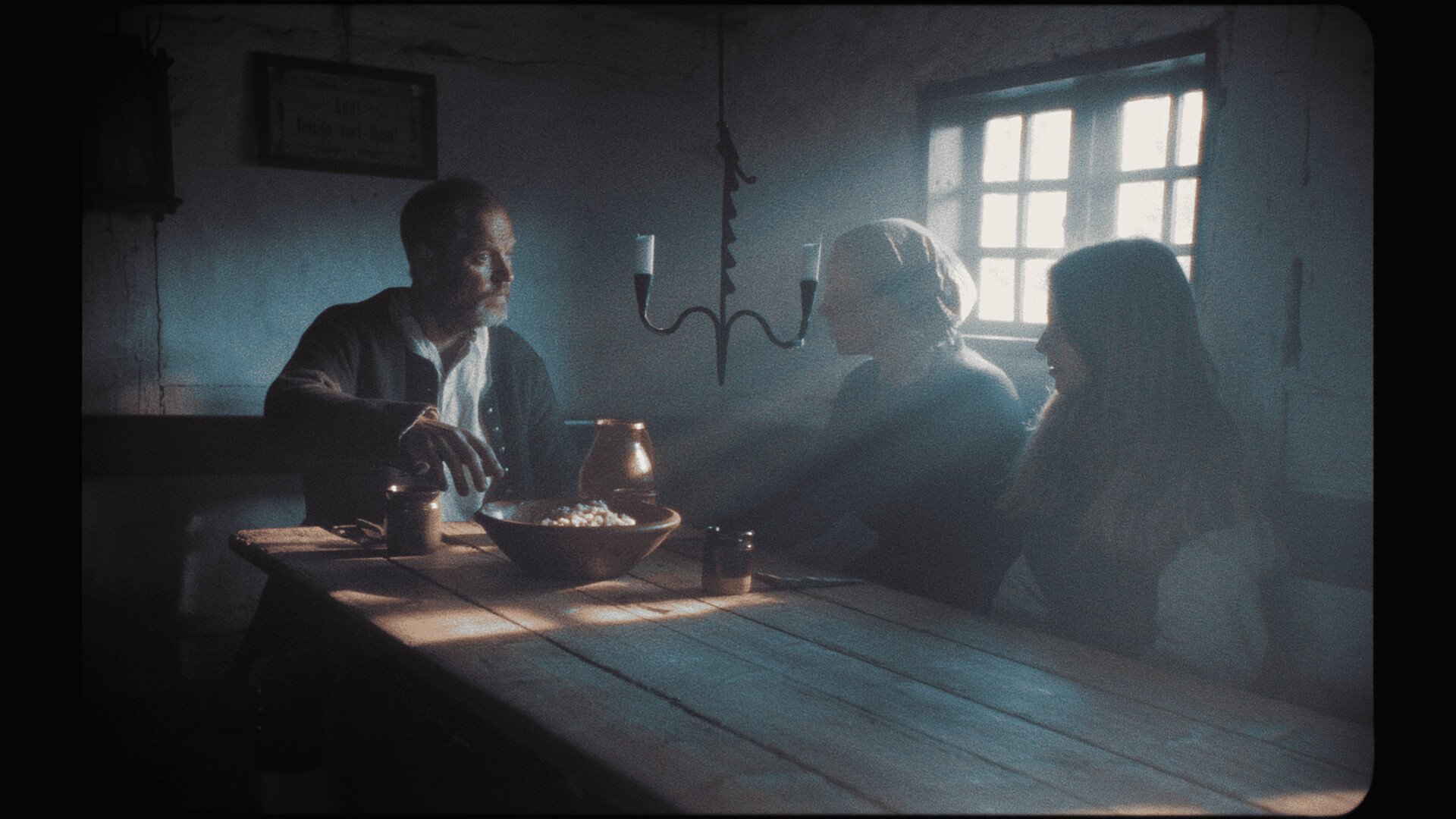
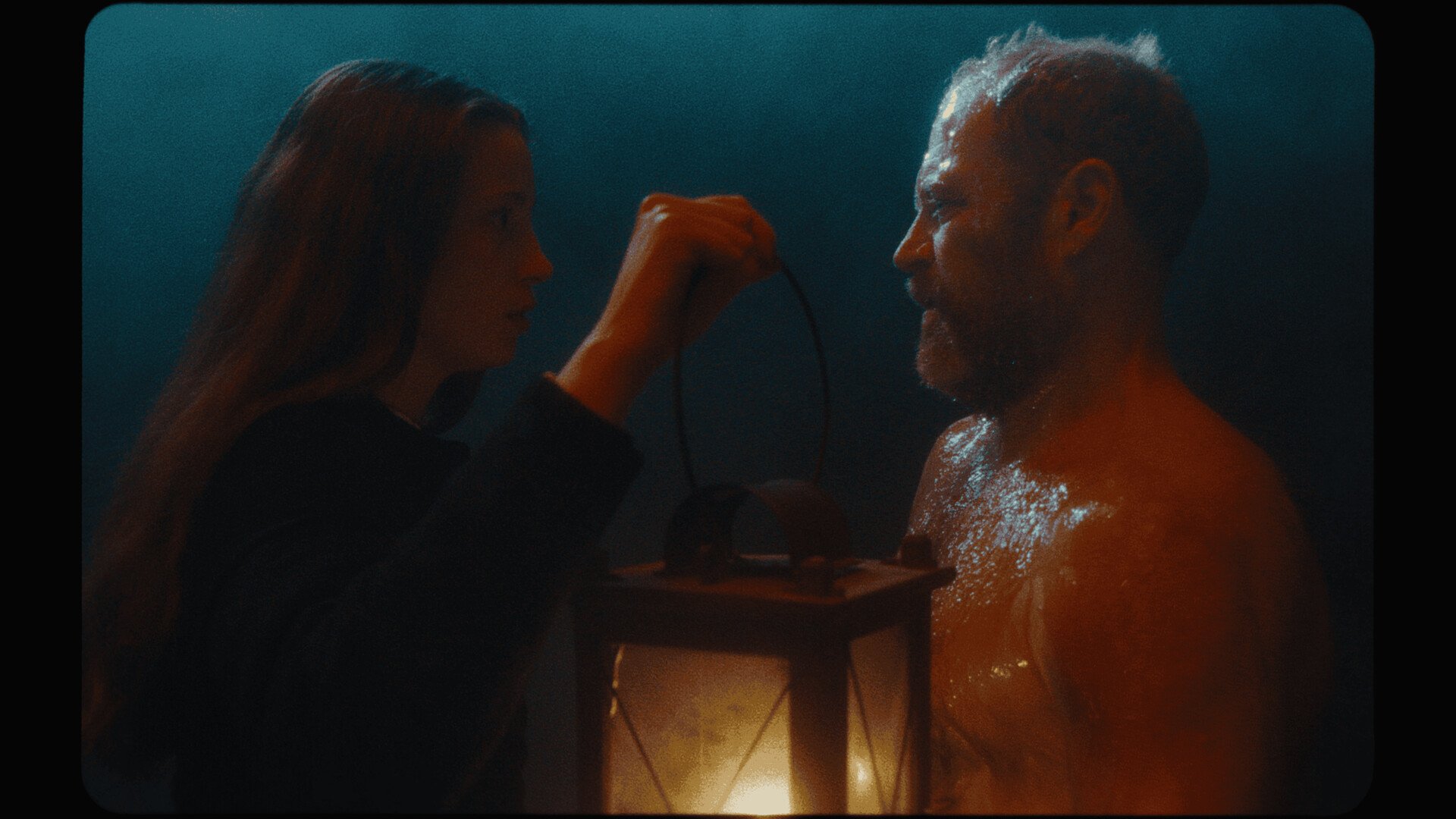
The Day You Left provides a world of darkness and delicacy beginning with the very introductory scenes. The statement by the filmmakers who claim to be fascinated by the dark and the mysterious is reflected throughout each frame, but the filmmakers never give in to the style flourishes. Rather, the universe that they create is in itself coherent, with the supernatural possibilities that cannot be found incompatible with emotional realism. The visual aesthetic, such as pale candlelight, gloomy rooms, and smoldering mist, resonates with the feelings throughout and inside Astrid, describing her isolation and the burden of loss in a poetically innuendo with a fine light touch.
Directed by
Victor Vendelbo, Mads Krause
Victor Vendelbo, Mads Krause
Written by
Cast
Josephine Højbjerg, Jacob Lohmann, Liva Forsberg
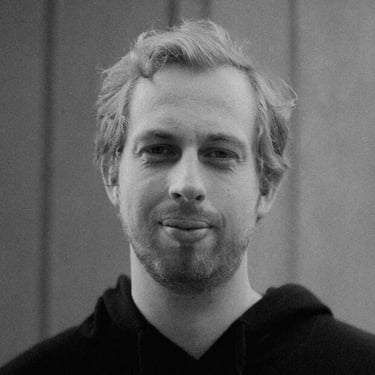
Mads Krause
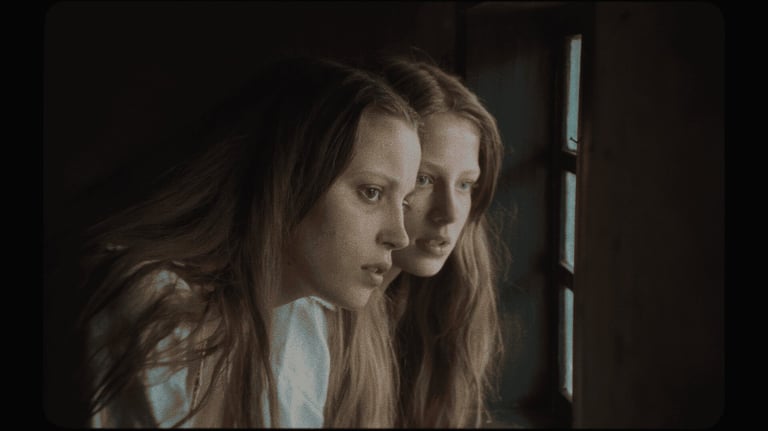
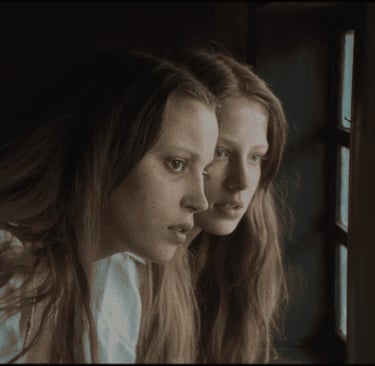
The center of the story is the story of bereavement and emotional repression. Vendelbo and Krause use their personal experience, and their characters are those who act instinctively and become guided more by logics than by feeling during the moments of tragedy. The experience that Astrid goes through adjusting to longing to acceptance is personal and collective; it reflects the conflict most people have between the need to hold onto the no longer there and the need to move on. The highlights of this wavering state include Astrid and Esther (Liva Forsberg) trying to ponder their fear and hope trying to face their father (Jacob Lohmann). The reunion of the father is not the magical event or the victory, but it is deeply filled with doubt and unease, which underlies the reflection of the film on the control over life and loss.
The screenwriting of Vendlebo and Krause that has been refined in years of preparation and teamwork represents this tension perfectly well. The dialogue alternates between the mundane and the profoundly emotive, the somewhat suspicious exchanges over breakfast-table, and the strangled lackeysms when the hair stands on end. We say grace first, we say grace first, lines such as these. . It has a superhuman sound to it, thank you, which makes us aware of something, and we are presented with our father again; we are brought back home to hope and ritual and a painful recognition of loss. The rhythm has provided opportunities to the emotions to be exposed in their normal manner and the viewers have been given time to be in the inner world of Astrid without feeling like they are being hurried.
The script is taken to the next level with the performances. Hjborgjerg plays a very subtle role of Astrid, but it is very touching; a young woman who is either in mourning or is in need of emotional release, and her eyes could tell more than words could. The father of Lohmann is a ghost of a person whose authority and reserved feeling bring the supernatural undertones of the film closer to the focal point of human nature. Esther by Forsberg gives his much-needed contrasting view and is a reflection of both horror and strength, so that to give the story an air of uncertainty and bravery.
The film seems to be a masterpiece of chiaroscuro (at least visually), and the way the camera is used gives more priority to shadows, light and texture of the domestic setting. The experience of the members of the directorial team in screenwriting and sound design is illustrated in the sound design of the film; each creak, whisper, and silent footstep adds tension and enhances the emotional quality. The rhythm in which visual and auditory elements are played is very careful and it reminds of the theme of the film, which is that grief and memory can not be completely controlled or incarcerated.
The manipulation where the movie really does well is its unwillingness to provide any simple solutions. The coming back of the father does not annul the grief of Astrid on the contrary, it drives her to the confrontation with the persistent complexity of loss. This naturalism, coupled with the affinity with darkness and the mysterious exhibited by the filmmakers, turns The Day You Left out to be a ghost story, but a reflection of the human condition. The approach of Vendelbo and Krause is more humane and bolder at the same time, they open the audience to their dream-yet-real world, close yet disturbing.
Although the abstract scenes and symbolic gestures shown in the film might confuse the viewer who wants to be able to follow the plot directly, as these decisions support the thematic issues. This inconspicuous tension, as well as the taboo nature of grief discussed in the film, namely emotional stalemates, practical adaptive strategies, and gradual acceptance of weakness, make the film a long-lasting memory even after finishing its last frame.
Altogether, The Day You Left is an impressive graduation movie that proves a youthful genius and skill of its directors. The Vendelbo and Krause are able to establish a film world that is enigmatic and emotionally believable, being supported by outstanding performances and detailed visual and sound design. It is a movie of loss, desire, and the strength to face the things that cannot be broken undo--a spooky delightful cogitation, and proves both filmmakers as a rising star in Danish movie making. The Day You Left is not just a story about a father coming back; it is a tribute of the unenvious force of grief, memory and the necessity of emotional honesty of human heart.
2025, Denmark, 14 min
Oliver Schlage Danielsen, David Somwe Lukunku
Produced by
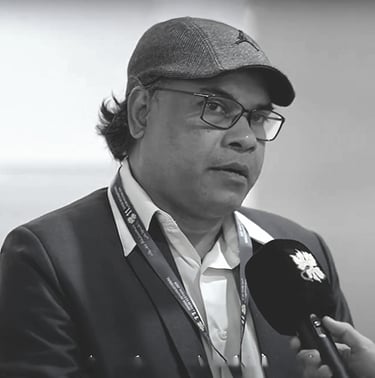
Ashraf Shishir
Luminous Frames and Emmy Awards juror.
© 2026. All rights reserved.