


sanad
Synopsis
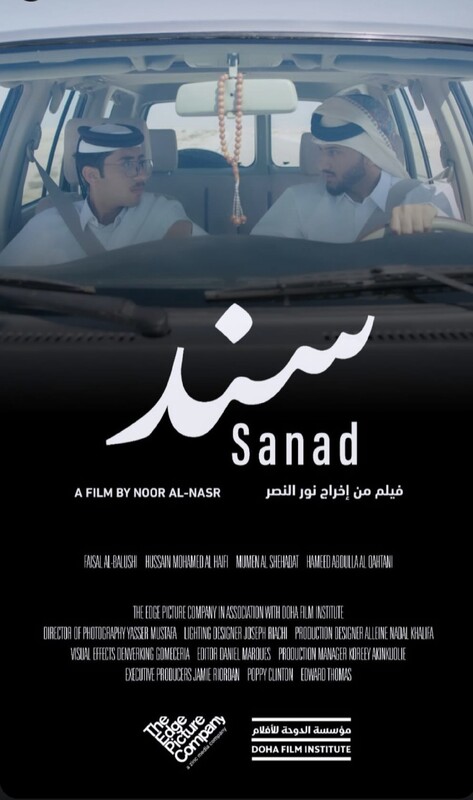
While having plans of his own, Jassim is forced to make a stop at a campsite after learning about his estranged brother Ali’s wild behavior. On the way back home, the brothers have a moment of bonding over a practical joke Ali has over the radio which ironically links them to a psychotic truck driver seeking revenge.
Set against the arid, sun-baked terrain of the Qatari desert, filmmaker Noor Al-Nasr creates a charmingly uncomplicated story about how the military bonds family paradoxically come together in the face of violence and how much such a scenario can unite what the family has lost in indifference. SANAD, her most recent short film since chilling entries at both Ajyal and Cannes, is a genre hybrid that moves tightly only to turn her fictional characters into a dark comedic thriller, demonstrating the ability of Al-Nasr to make intimate studies of characters propel stories. Her experience in graphic design makes every frame meticulously constructed, but this enables her to create a work which is visually heavy-handed in a way that is both humorous and even frightening, backed by an excellent performance by Faisal Al-Buloshi and a script that notices that crisis may be the only way to break even the most solidified relationships open.
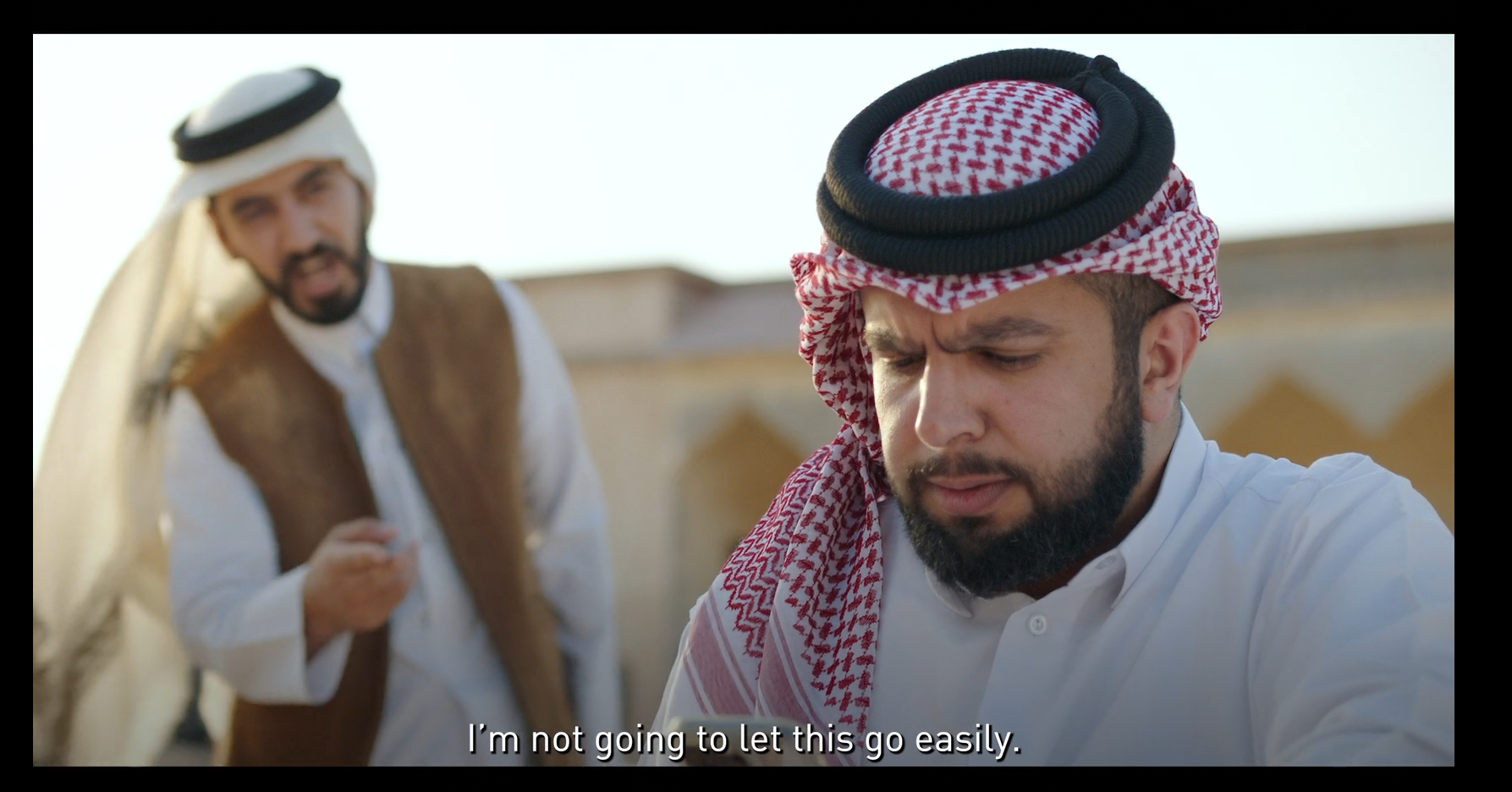
The movie starts with Jassim, a man who has always planned his life properly only to receive information about his estranged brother Ali, who acts recklessly at a campsite. The tension created by obedience and resentment is quickly built by Al-Nasr. Jassim has intentions, a life ahead, but he has to find himself steering towards the past to recover a brother he would obviously rather avoid. It is a cost effective and efficient set up, which sketches a relationship like that which has over the years been weighed down by distance with just a few gestures and glances. As the brothers finally meet, their relationship is new and endangers not to talk: the energy of Ali and coolness of Jassim, two men in the same blood but different wavelengths.
Directed by:
Noor Al-Nasr
Noor Al-Nasr
Written by:
Noor Al-Nasr
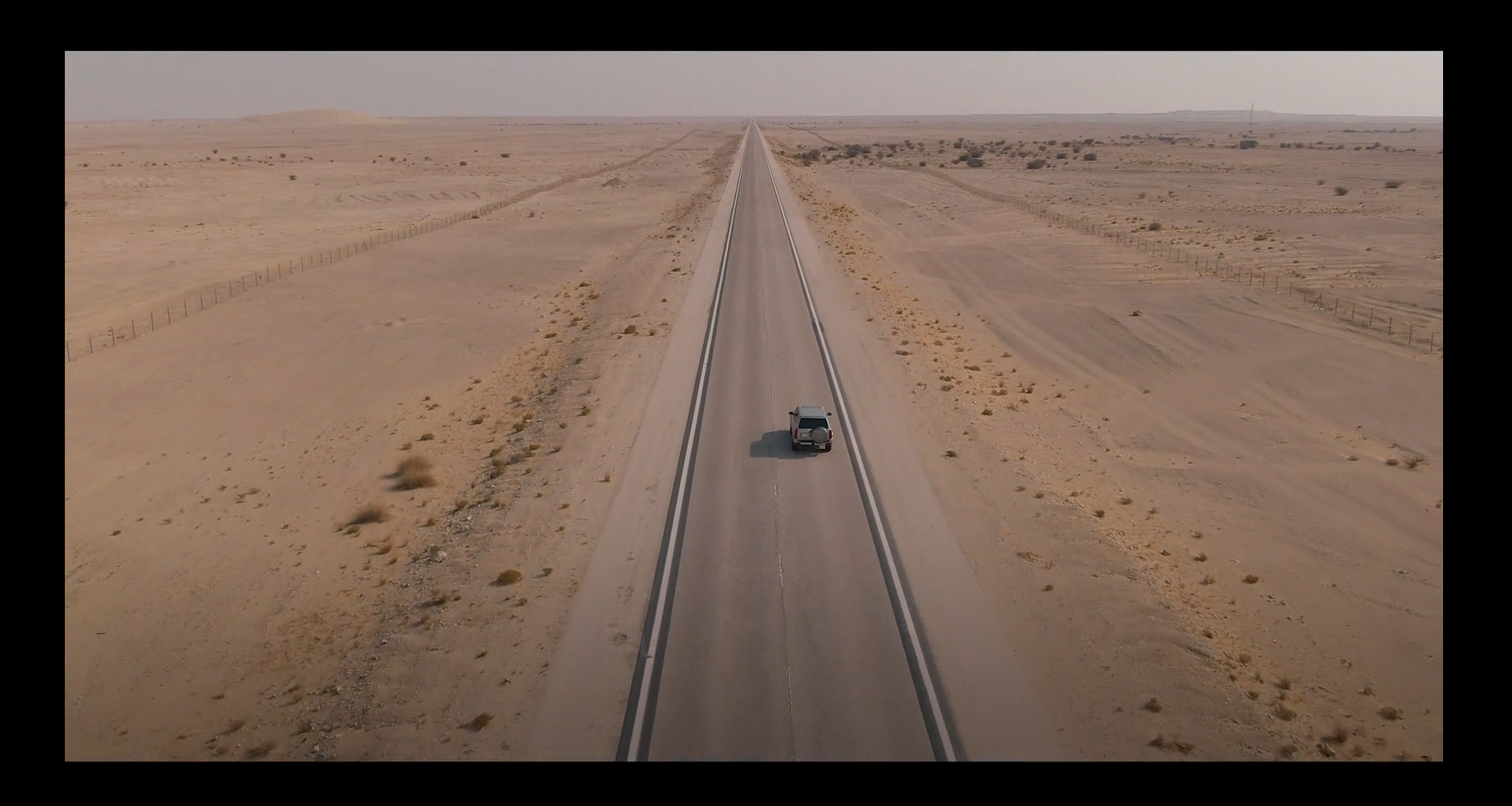
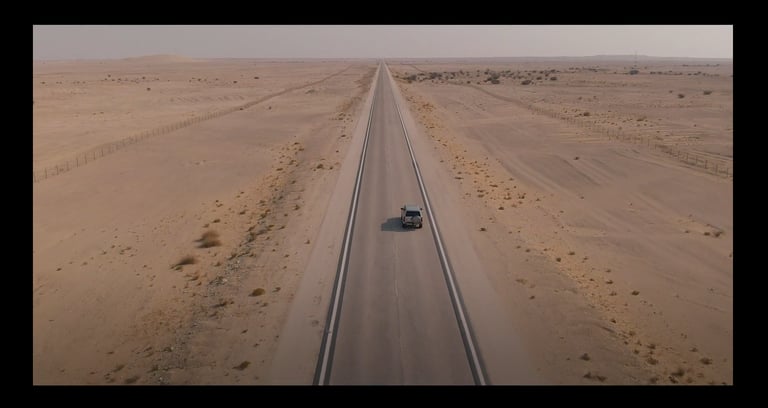
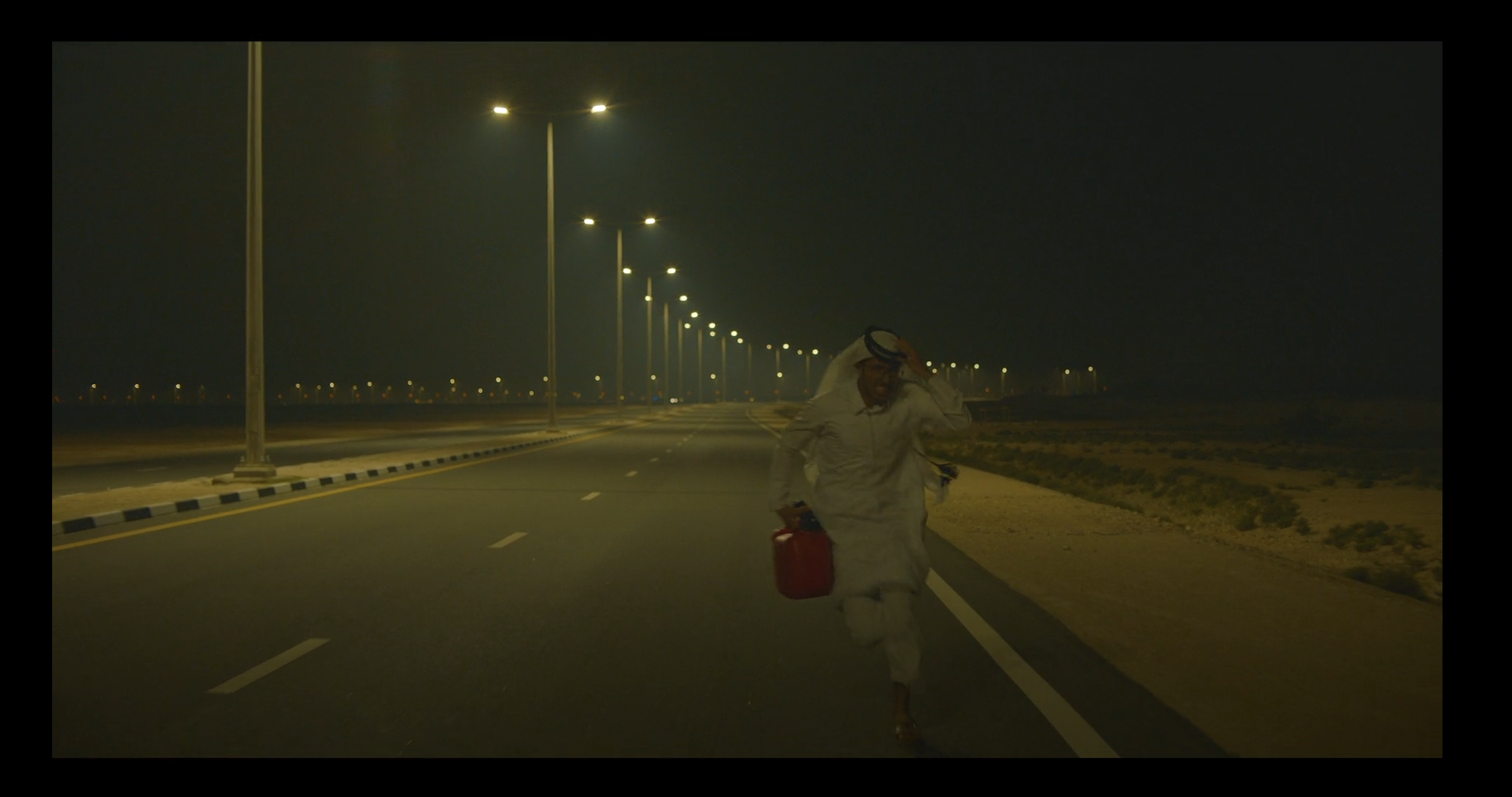
The reason why SANAD stands out among the population of reconcil-related movies is that Al-Nasr does not hesitate to switch gears into genre territory. The trip the brothers make home, is the set of a bad practical joke involving a radio broadcast, the moment of spontaneous in contact, however juvenile, and indicates the beginning of the first thaw of their frozen relationship. The playfulness of Ali, either out of boredom or the wish to get his serious brother going, is unintentionally directed at a psychotic truck driver whose sense of humor is non-existence with disastrous consequences. This plot twist is as bold as it is thematically vibrant: it is the same thing that unites the brothers, though momentarily, that immerses them in the deadly conflict, which turns their unwilling unitedness into a test of life and death.
Al-Nasr shows a fair amount of talents in making the tones to balance in an almost tonal whiplash. It is a situational, dark comedy instead of a broad one, which is anchored in the absurdity of their position and the differences in how the brothers respond to the increasing threat. The situation of two men who barely get along with each other being no choice but to fight a shared foe has a kind of wry irony to it, which Al-Nasr does not stress with her hand. The elements of adventure, in their turn, add kinetic charge to the otherwise talky two-hander, and the desert scenery transforms into a playground and a battle field as the chase by the truck driver is getting more and more heated.
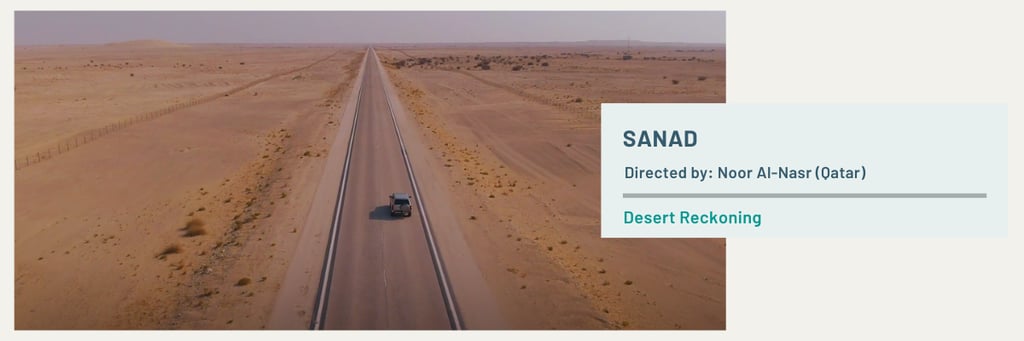
Her aesthetic method, based on years spent working in the field of a graphic designer, is reflected in the fact that the film is perfectly composed and has color palette. The Qatari desert is not a passive observer as the pricing emptiness increases the isolation and vulnerability of the two brothers. The scorching sun and the interminable highways employed by Al-Nasr and her filmmaker make up the exposure, there is no place to hide, no place to retreat, no place to go but to advance to whatever solution is in store. Even the truck itself turns into an ominous object of view, surrounded by rearview mirrors and shimmering heat on the horizon, a robot vengeance, a robot form of retribution that is overtaking the thoughtless behavior.
Al-Buloshi, who plays one of the brothers, plays the role of being exasperated and grudgingly affectionate simultaneously, with finesse. It is not mentioned whether it is Jassim or Ali, but his performance is like that of an actor who can express volumes by containing them, the scars of the past, the probation when one stumbles, the animal instinct at work when the danger arises. The fraternal interplay is, like of a domestic brother and sister; it is more experienced than methodical, and endowed with the little natural touches of true characterization as opposed to dramatic expediency.
The script by Al-Nasr is of admirable efficiency, especially considering the demands of the short movie genre. Each scene functions on two levels: plot and emotional line progression keep the game genre mechanisms at their minimal essence. The prank on the radio that is the catalyst of the disaster serves a comic relief purpose as well as a character revelation—it is exactly the type of impulsive connection act that brothers would through, unsophisticated and ill-calculated but somehow moving in its sheer idiocity. The fact that it evokes existential danger is an indication of the thematic concern about the film on the rapid turn of circumstances, how thin is the barrier between laughter and terror.
Even in a world where short films usually present themselves like calling cards to proper feature films, SANAD is fully self-contained: a leanly woven piece of business concerning brothers and roads and the surprise of how we get back to our people once we believed we had vacated the premises. To any viewer who realizes how family can both be anchor and storm, SANAD provides an exciting darkly comic wake-up call that sometimes psychotic strangers are the only ones who can successfully unite the loved ones.
2023, Qatar, 19 min
Poppy Clinton
Produced by:
Cast:
Faisal Al-Buloshi
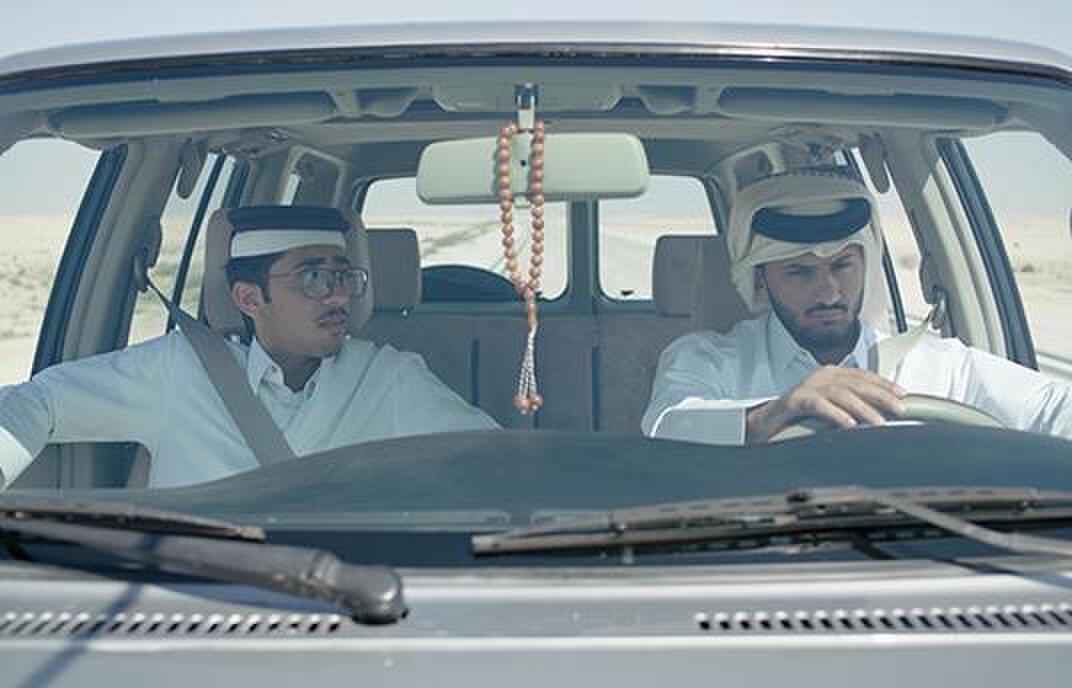
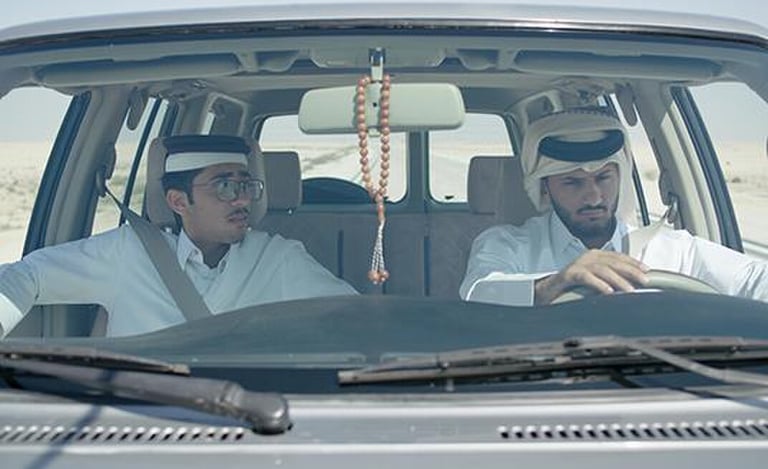
The name of the movie, SANAD has depth that reverberates throughout the story. The term needed in Arabic translates to support, support, or supporting and it is appropriate to use in the context of a story of two brothers who have to support one another, literally, in order to survive. Al-Nasr appears convinced that in order to connect, at times, we need some outside assistance, that the relationships which we consider normal, only prove their strength in adversity. Whether both brothers come out of their ordeal radically transformed or simply rattled, is intentionally undefined, but the experience of the journey itself - this compelled togetherness and hardship against their will - is its own reconciliation.
The format has small flaws: some of the character beats are hurried, and the psychotic truck driver, although having been utilized successfully, does not feel like a complete antagonist. These are however, minor nitpicking in a work that works miraculously in what it set out to do; a small and fun thriller that plays with the conventions of genres to venture into the realms of authentic emotional space.
Al-Nasr, who has already appeared at the Insides of the festival, in Cannes and Ajyal to date, confirms with SANAD that she has a unique voice, and it can easily tread various paths and still be thematically correct. Her experience in the visual arts does not unnecessarily overwhelm the story as it renders a film, that is not only aesthetically a successful film but a film that is also a pleasing narrative.
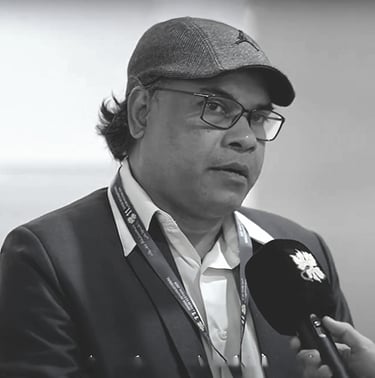
Ashraf Shishir
Luminous Frames & International Emmy Awards Juror | Golden Globe Voter
© 2026. All rights reserved.