

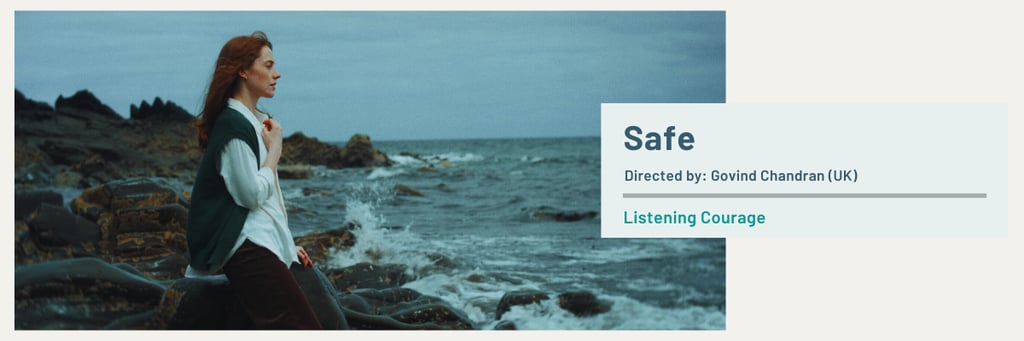

Safe
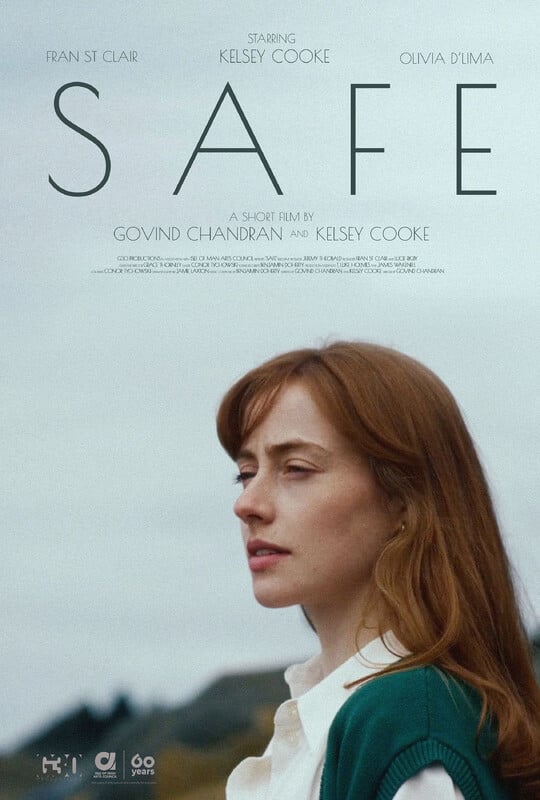
Synopsis
When a compassionate helpline counsellor begins to grow concerned for the safety of one of her clients, she's forced to decide whether to trust her instincts or follow protocol. Safe is a tense, quietly powerful drama about the weight of responsibility and the courage it takes to listen.
The short film of Govind Chandran titled Safe is a resounding show on how little can be minimized in cinema to create a great emotional impact. With a duration of basically more than twenty minutes, the movie leaves a great and engrossing impression that keeps on with the view long after the screen goes black. The central character is Iris, who is a helpline counsellor and, in her life, and work, routine, protocol, and a professional detachment that enables her cope with the emotional burden of the problems of others, are the center of the story. However, when she starts suspecting that one of her clients, Sophie, is in an abusive relationship, Iris is in the agonizing moral dilemma as to whether or not she ought to do the right thing and conduct the procedure or, as she believes, act intuitively and possibly get involved in a life-or-death scenario. This latter conflict-the meeting of responsibility, intuition and compassion-is the fundamental element of the film and the fact that could have otherwise been a basic storyline about domestic abuse has then developed to be a psychologically enriched one regarding human empathy and moral strength.
The screenwriter Chandran who also co-wrote the screenplay with the lead actress Kelsey Cooke, has a remarkable tone and pacing control. Instead of the blatant dramatization or graphic scenes of the violence, the movie depends on the minor indicators: the shaky voice of Sophie, a call that was cut off in the middle of the conversation, the stammering in the words of Iris. Fran St Clair, who was given the role of the voice of Sophie, is a vulnerable and desperate voice. Though invisible, her acting expresses tints of dread, defeat, and the pent-up nature of a person who has to live in the state of a victim. It is brilliant because it makes the audience to be accomplices in the listening process. Silences, breaks, and fits and starts of speech are made us to imagine, and tension is given to challenge our imagination by imagining the horrors of the abuse that has happened though leave no traces. Olivia D’Lima plays an in supporting role, which only adds the amount of authenticity to the story, yet the emotional weight of the performance falls squarely on the shoulders of Cooke and St Clair.
Directed by
Govind Chandran
Govind Chandran, Kelsey Cooke
Written by
Cast
Kelsey Cooke, Fran St Clair, Olivia D'Lima
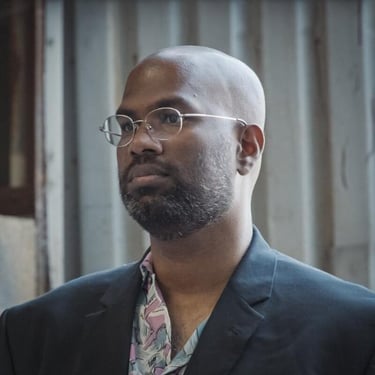
Govind Chandran
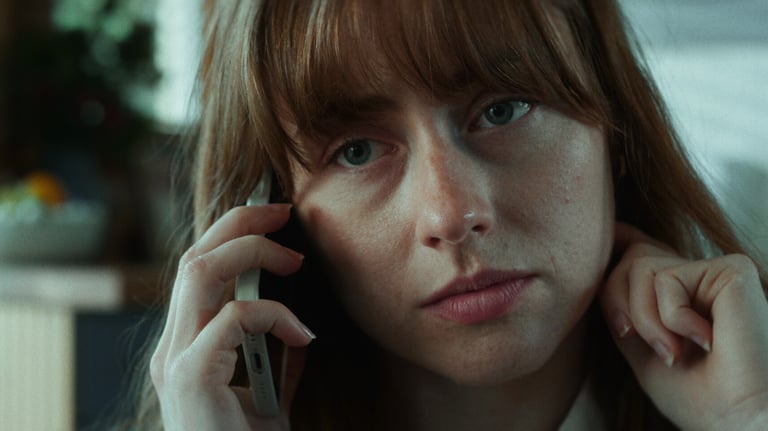
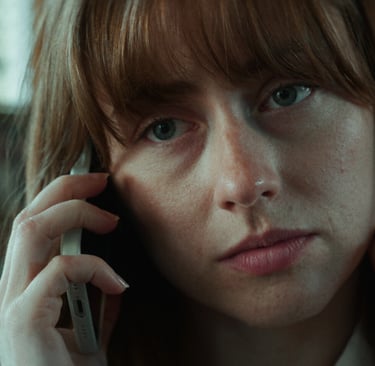
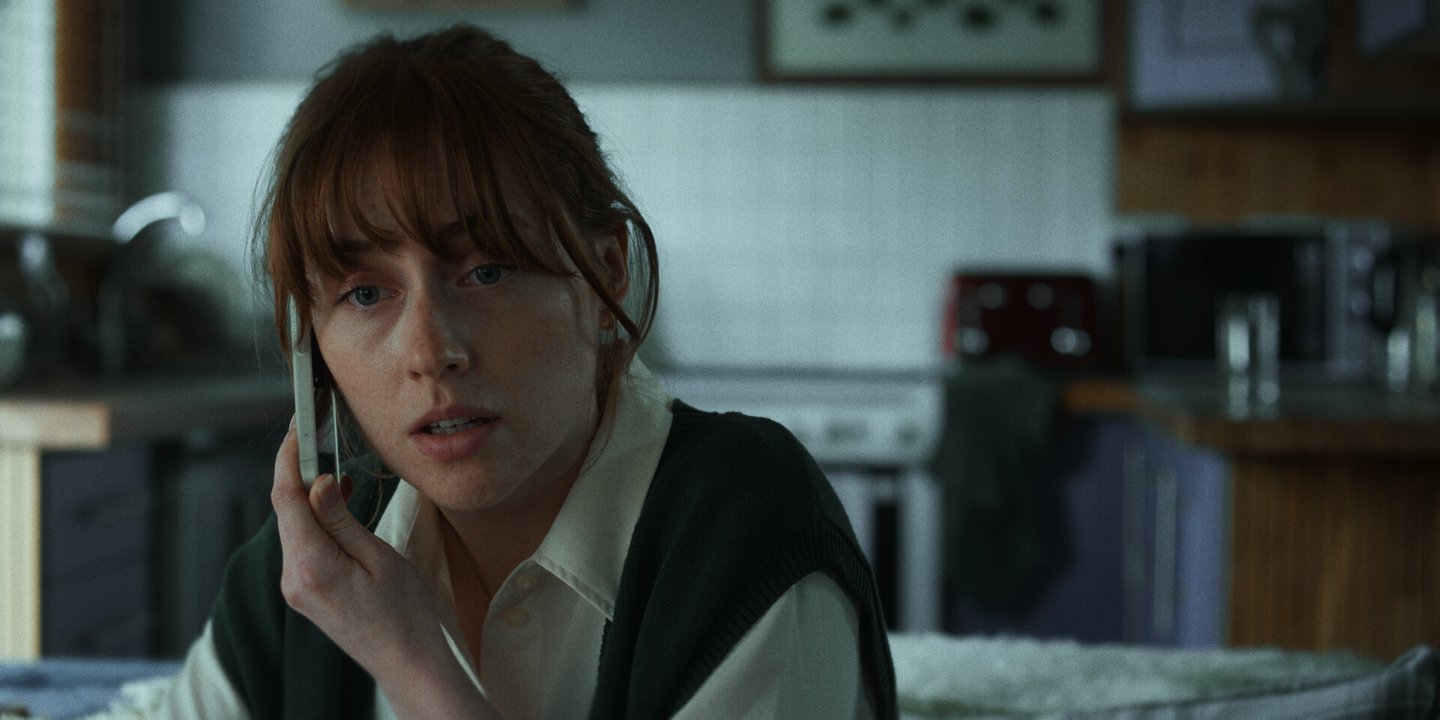
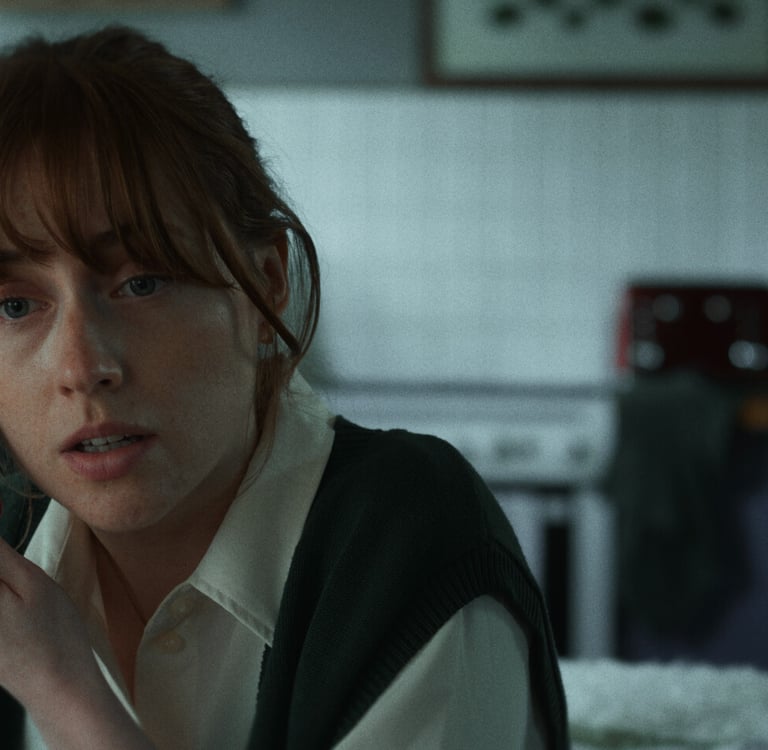
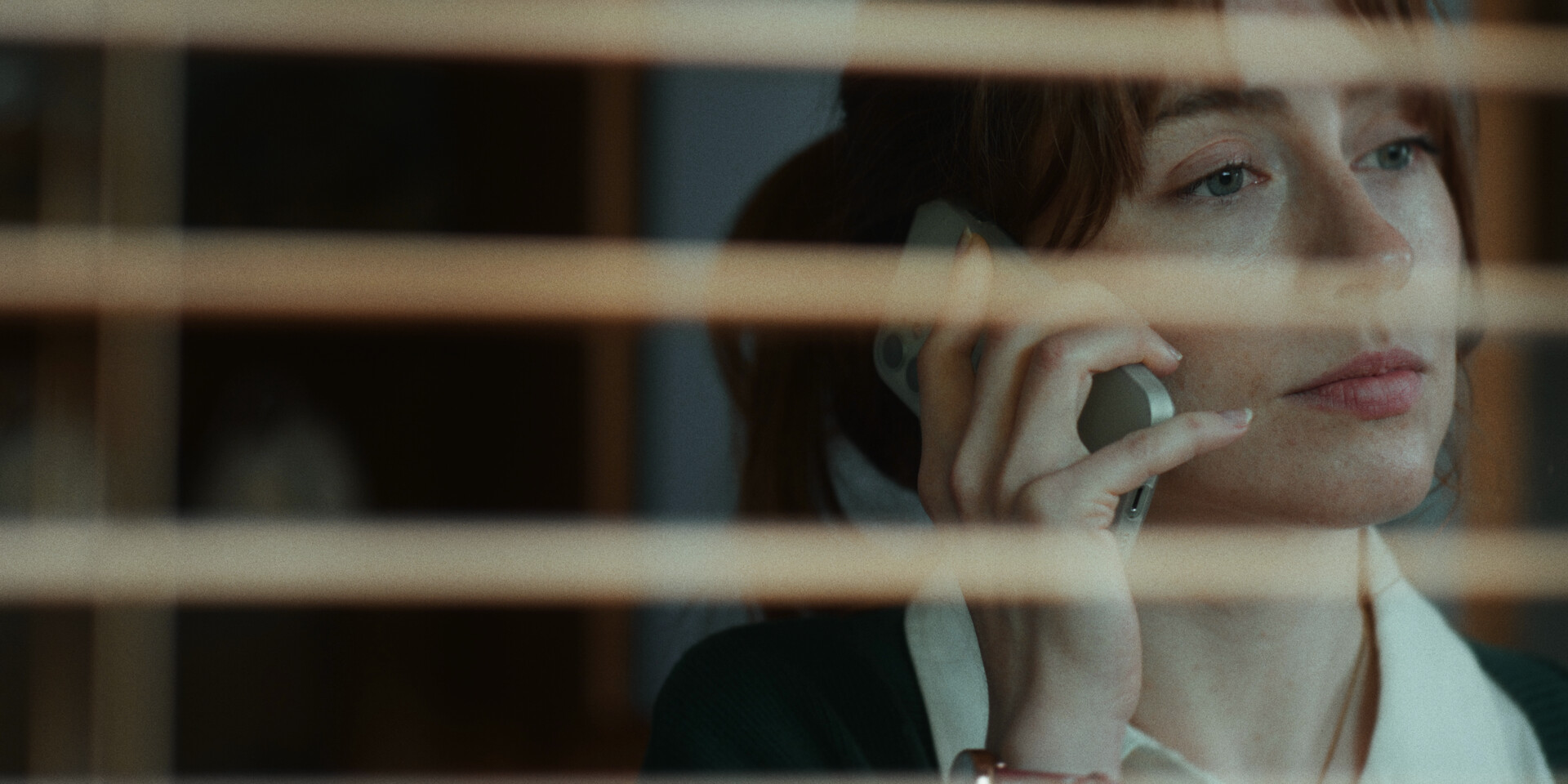
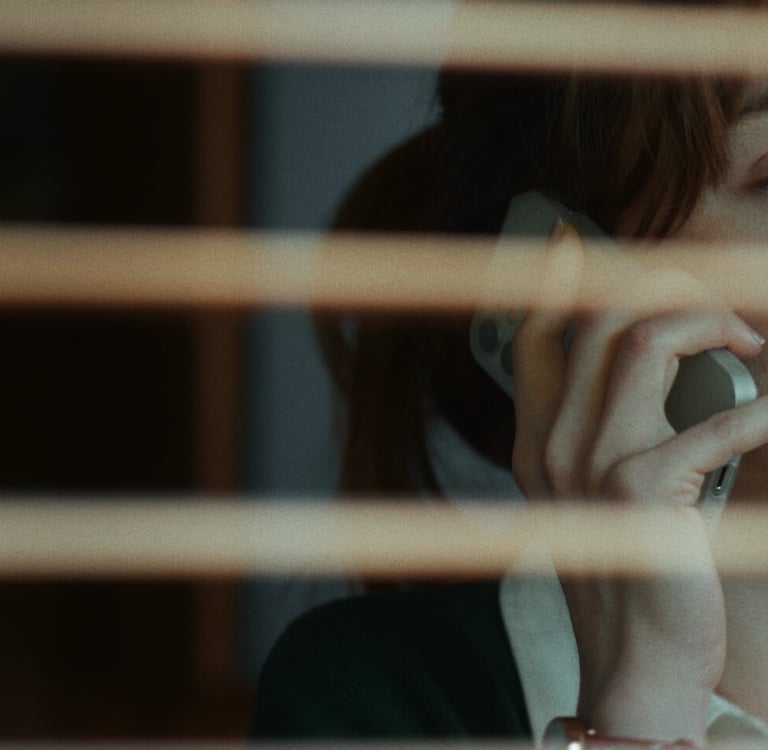
The success of the movie is led by the role of Iris by Kelsey Cooke. Since throughout the story she is the sole onscreen character, she supports the entire movie solely by the expression and body language. The choice by Chandran to travel with close-ups and the use of long and continuous takes enable the audience to see the smallest details about a particular gesture facial expression flicker of a look, a slight tightening of hands, shallow breathing, all of which show increasing worry, moral confusion, and emotional duplicity. Cooke expresses the power and impotence, of a professional who finds himself increasingly sucked into the intimate, risky realm of the agony of another individual. This camera work coupled with the subtle performance of Cooke puts a domestic interior into a scene of suspense, tension, and moral urgency.
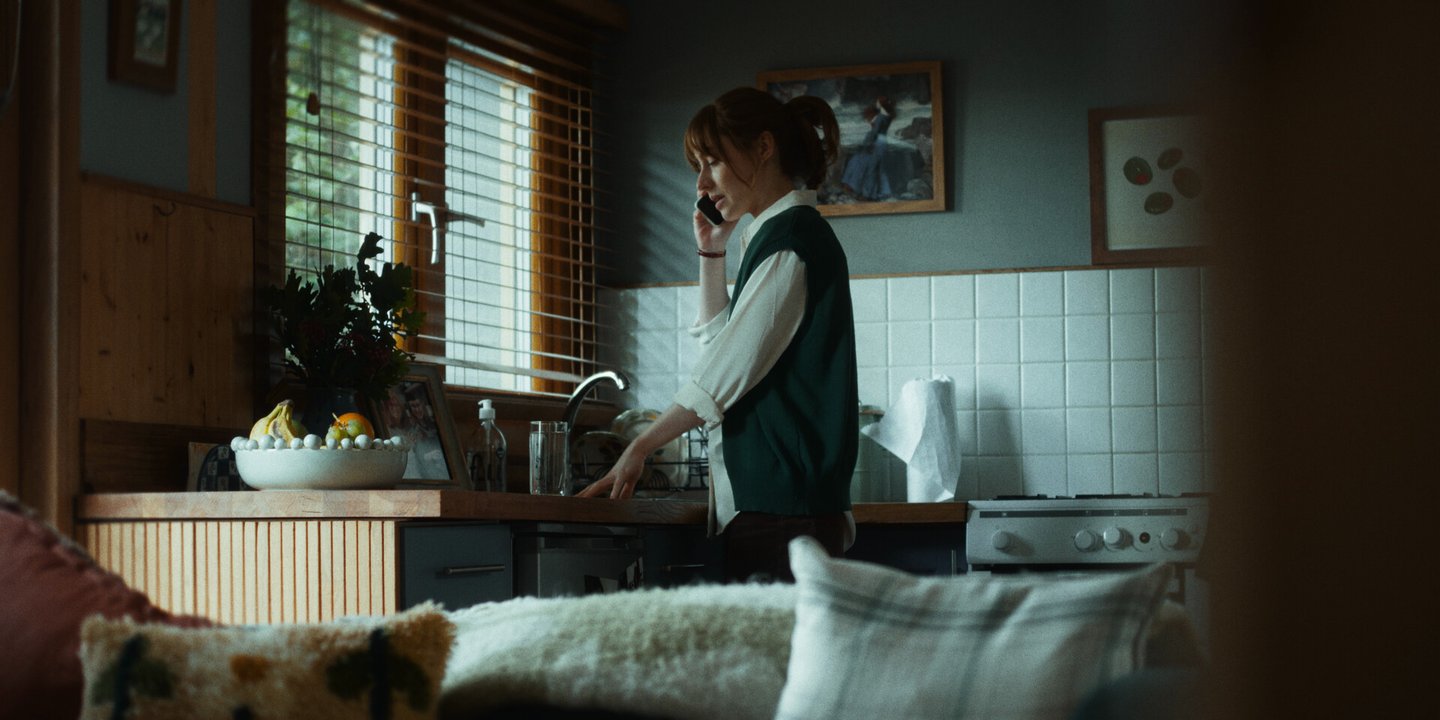
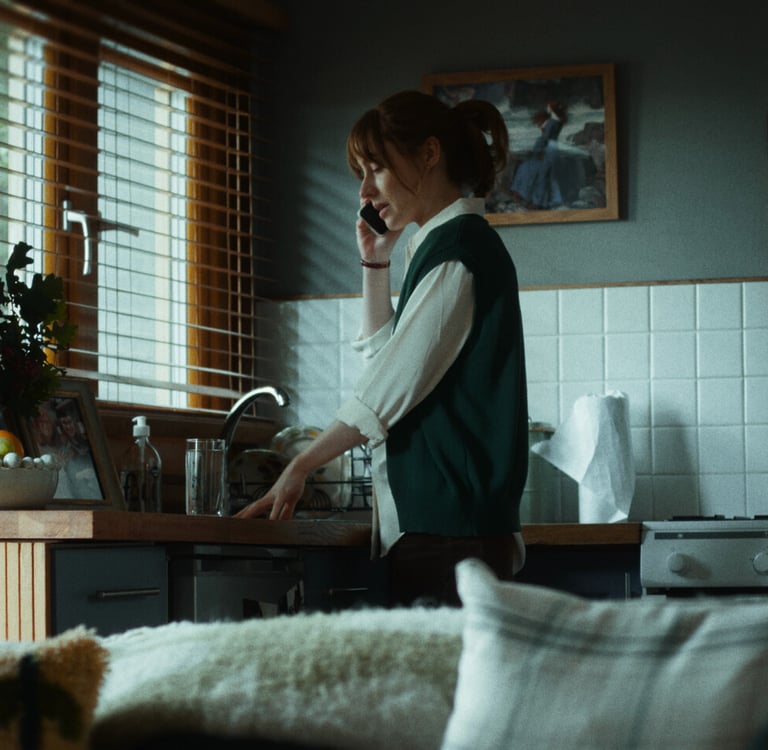
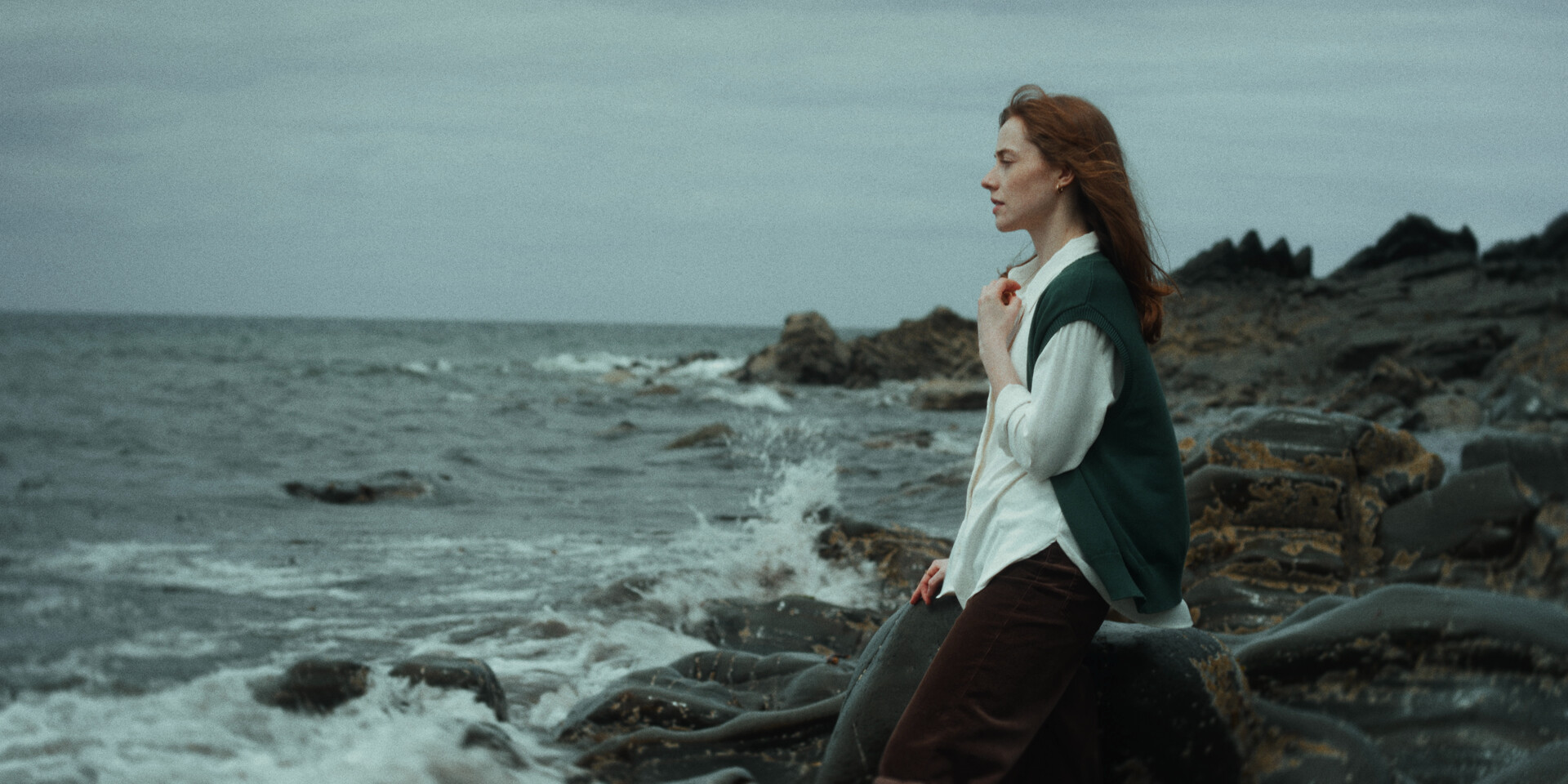
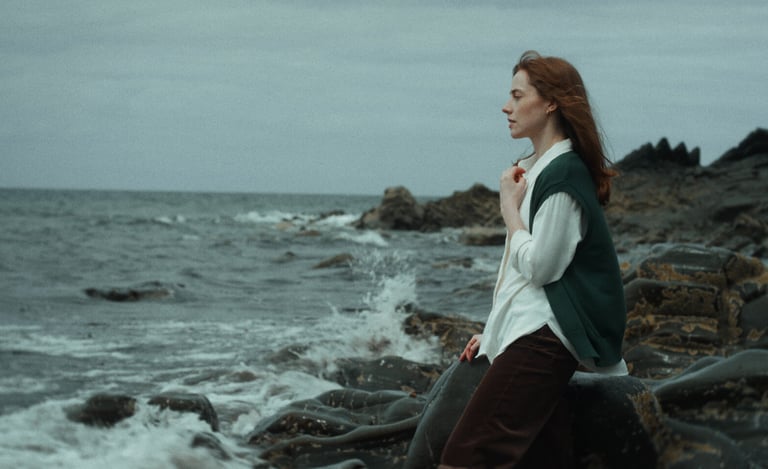
On a visual aspect, Safe is a masterpiece of the accurate directorial vision that Chandran already had. The cinematography used by Jamie Laxton forms the comfortable and oppressive atmosphere in the house of Iris by developing the feeling of safety, which is fragile and deceptive at the same time. The use of minimalist style in the film, which is the limitation of the setting, the avoidance of camera work, and emphasis on the small expressions of a face never cross into the realm of melodrama, but it exaggerates the emotional build up. Sometimes, the story is interrupted with the scenes of rocky beaches and breaking waves. These are beautiful, yet of more inspirational than driving plots.. They contrast the chaos of inner world of the characters with the scale of natural world and the powerlessness and chaos in nature, just hinting at the notion that all the chaos of human suffering is sometimes hidden below the spectacle of everyday life.
The music by Benjamin Doherty also adds to the tension of the movie, giving it a light but consistent undercurrent, which eventually reflects the increase in the anxiety of Iris. The music does not intrude at all, rather it accompanies the quiet intensity of the performances, highlighting instances of hesitation, realization and moral reckoning. The direction of Chandran makes all the elements such as sound design to filming interact to immerse the audience in the fragile emotionally fraught sphere of helpline counseling and domestic abuse intervention high stakes.
Safe speaks on various levels thematically. It is, above all, an exploration of human responsibility: the boldness that requires to listen, to watch the signs that a person can disregard, and to do something when it is not really easy and can be even obtrusive. The movie dwells upon how domestic abuse can be hidden and its symptoms can evade a person easily. The nervous voice, the interrupted phone, the weak confessions all are the signs that can be rather easily unwittingly overlooked without extra effort. Through his emphasis of how meticulously one must listen to hear these signs, Safe puts the element of empathy on the verge of heroism to demonstrate that compassion is not merely the act of taking an interest in another person, but the act of responding to that interest, of taking specific, sometimes perilous steps to do so.
Another character that is explored by Chandran is the psychological complexity of abuse, whereby the victims have only rare straightforward experiences. The ambivalent fear, hesitation and only half revelation of Sophie displays the reality of people in abusive relationships. Simultaneously, the situation Iris goes through illustrates how hard it is to find solutions when working within the system of rules and procedures. This tension between process and sense moves the story along producing a suspense which, not physically but emotionally charged. This style is reflective of social work and counseling reality, and the story is impressive and authentic.
Along with the strong narrative and thematic elements, the use of careful approach to performance, editing, and cinema atmosphere should be mentioned as the positive aspect of the film Safe. Chandran is not a flashy storyteller, as he avoids becoming sensational, gives much attention to the silent horror of the phone call, and leaves the emotional weight to his actors, which makes this film incredibly touching and stimulating to watch. The intensity with which the story is felt by the audience is made possible because of Cooke layered performance with the heartrending work of the voice of St Clair. This intimacy is supported by the visual and auditory design of the film, and this unity of cinematography sticks long after the film ends with its short duration.
After all, Safe is a short-form film triumph, a film that integrates precision of narrative, emotional pathos, and visual virtuosity to produce a movie that is crucial as much as it is fascinating. Govind Chandran has developed a masterpiece that supports the crucial role of listening, believing in gut, and action when human lives may be involved. It is an educative, thought-provoking, and empathizing film, proving that the most intended actions of attention and care are life-saving. Safe is a deeply terrifying, powerful exploration of compassion, responsibility, and the hidden conflicts that go on behind closed doors, to the viewers who are not afraid to participate in its tacit intensity.
2025, UK, 20 min
Jeremy Theobald, Fran St Clair, Lucie Rigby
Produced by

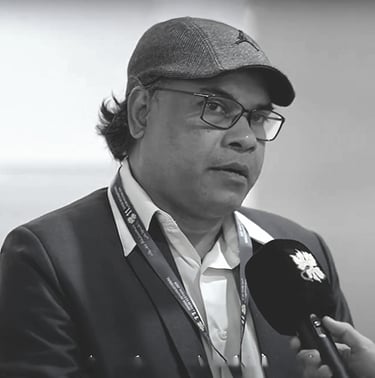
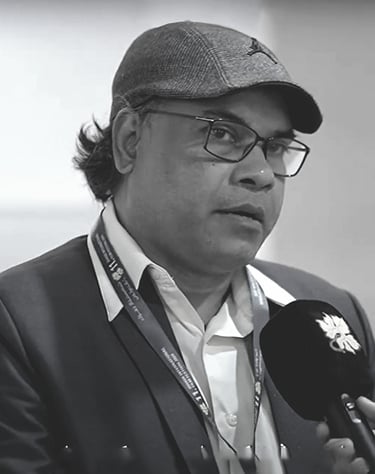
Ashraf Shishir
Luminous Frames and Emmy Awards juror.
© 2026. All rights reserved.