


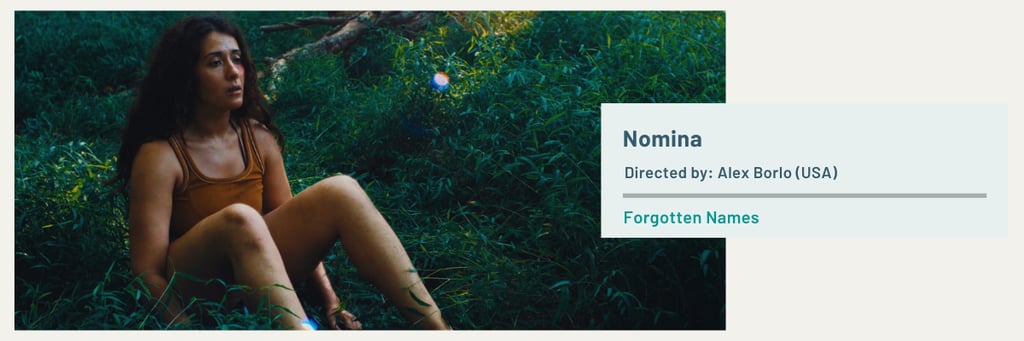
Nomina
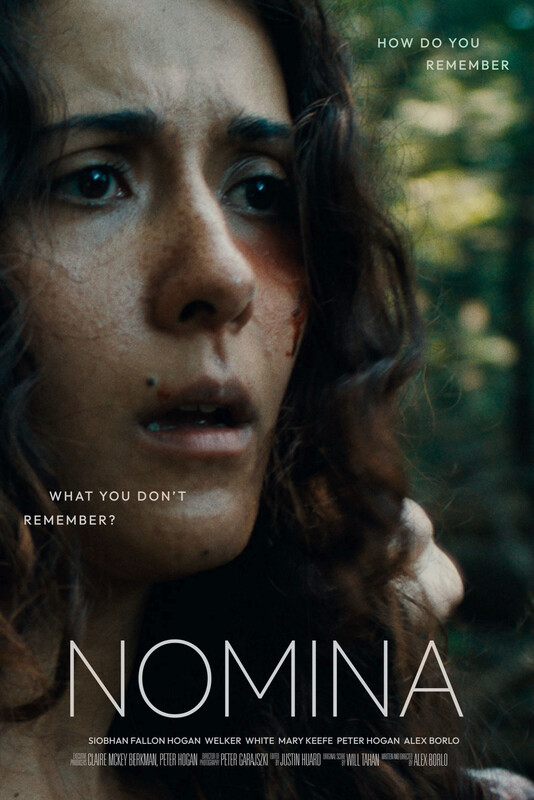
Synopsis
A woman with no name wakes alone in a forest, where three strangers draw her into a ritual she was never meant to escape.
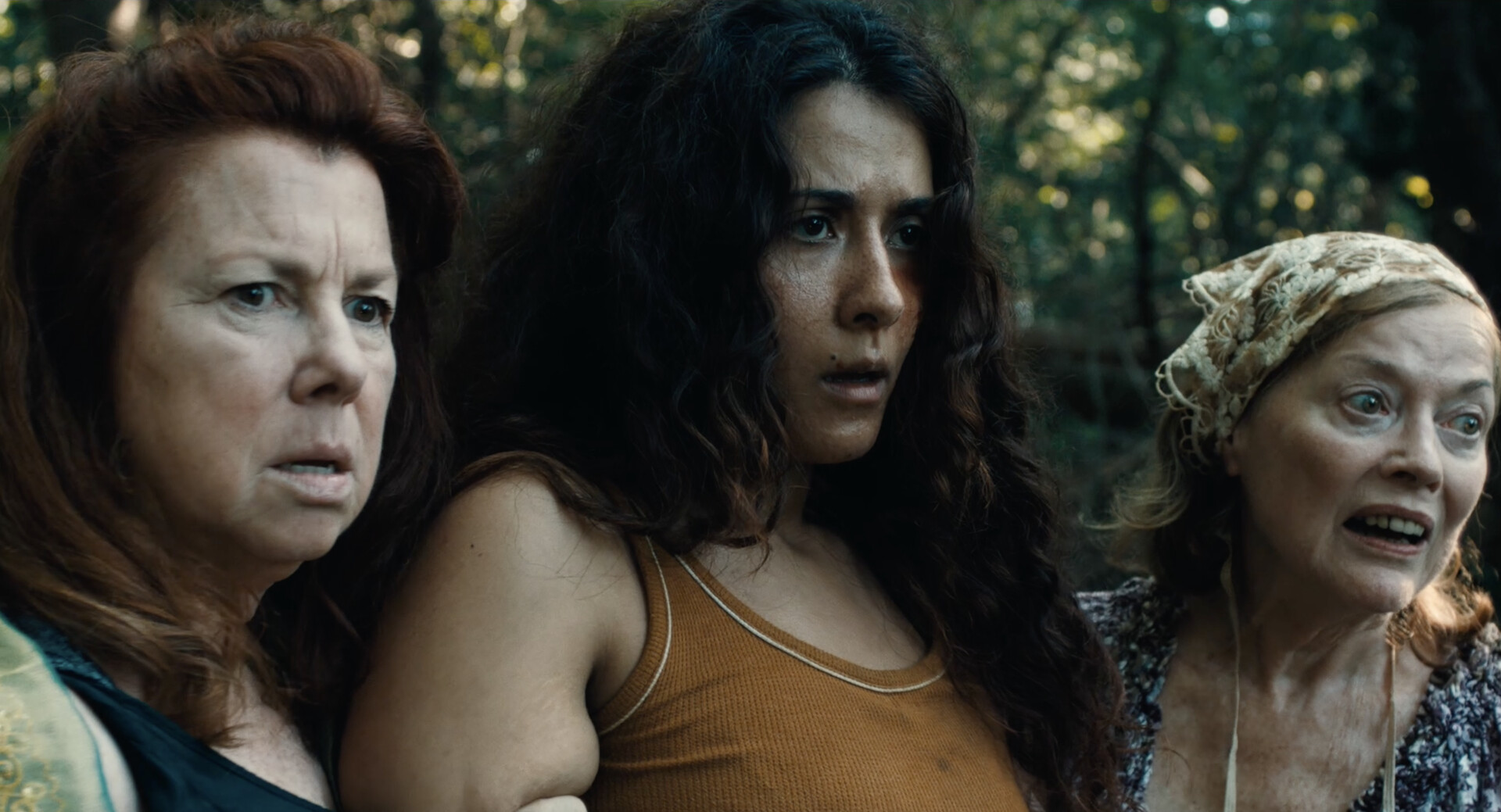
Nomina awakens in an ancient forest, having lost her name, all by herself. Soon three mysterious strangers pull her into a ritualistic interaction she is never intended to get out of, thrusting her against a jumble of dark history and unspoken agony that makes up her life's survival. The personal tale of pain turned into the poetry of film, Alex Borlo's debut directorial, is a visceral and mythic short film. A bold new name in independent film, Borlo brings a sense of intimacy and universality to this folkloric tale that lies buried in the heart of Colombia, all while revealing the raw truths of Colombia's psychology.
Known for her disciplined and trained approach to the stage, Borlo is a published poet, performer, and actress (who was trained at the Royal Welsh College of Music and Drama) with fathered credits on Netflix, Hulu, Apple TV+, and AMC, lending her a new and unique multidisciplinary mind to Nomina. Writer, director and lead actor, she speaks from her own reflections on living with posttraumatic stress disorder, addiction and survival, all experiences, which she often carried in silence, through the primary language of myth. “How do you remember what you don't remember?” is the film's central theme, not a textual explication, but a movement, an atmosphere and ritual. The woods are no ordinary backdrop- they portray trauma-torn subconscious so poignantly, menace and shelter, walking in the woods and finding a path, disorientation and finding a path. This is a film that's full of the director's statement, which gives it athleticism, flesh and sizzle.
Directed by:
Alex Borlo
Alex Borlo
Written by:
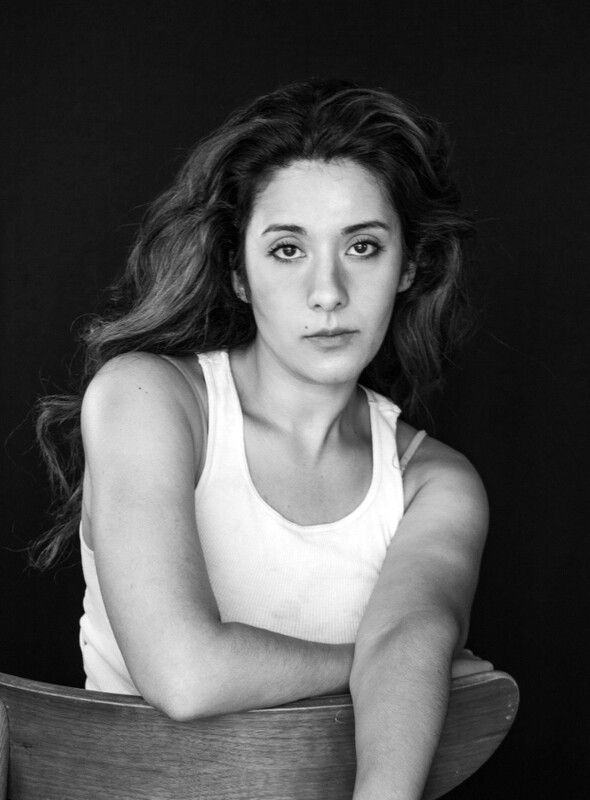

Alex Borlo
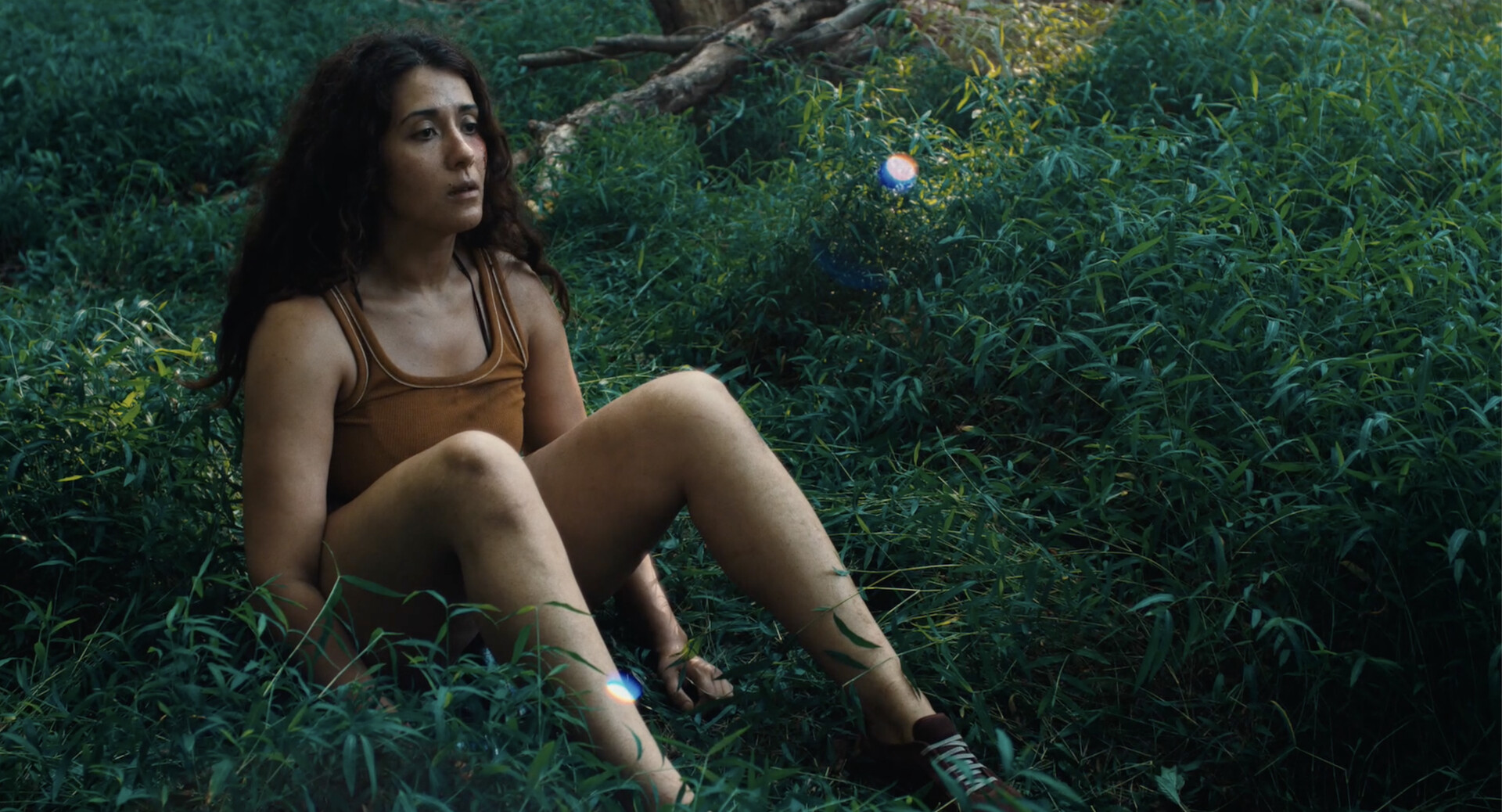
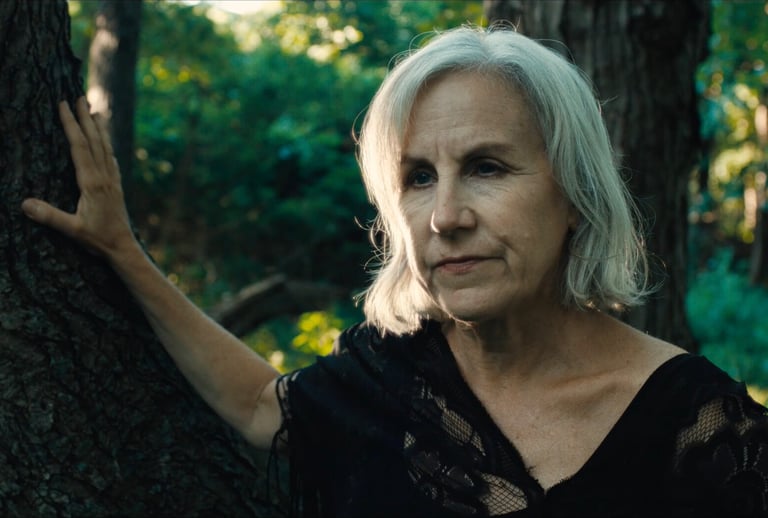
The story doesn't dally in getting to the point. Borlo herself plays our nameless protagonist (who emerges in consciousness, shivering and panting and the camera hovering like a predator). This “move with the body” approach in design compensates right off the bat with Borlo's lens. We do not witness her disorientation with a protection of distance, we are actually put in her disorientation. The forest is depicted with a haunting beauty: broken patches of light dancing through the trees, mosscovered roots almost like fingers that lift the fey dresses upwards to snag at ankles as you pass, and sudden clearings that like fragments of paradise in a disorienting landscape. In this tactile immersion (which goes uncredited in the materials that I've come across), there is no finer cinematography: shots of skin, breath, and soil give the closest possible view of the non-human, indifferent primal forces in relation to the very fragile human body.
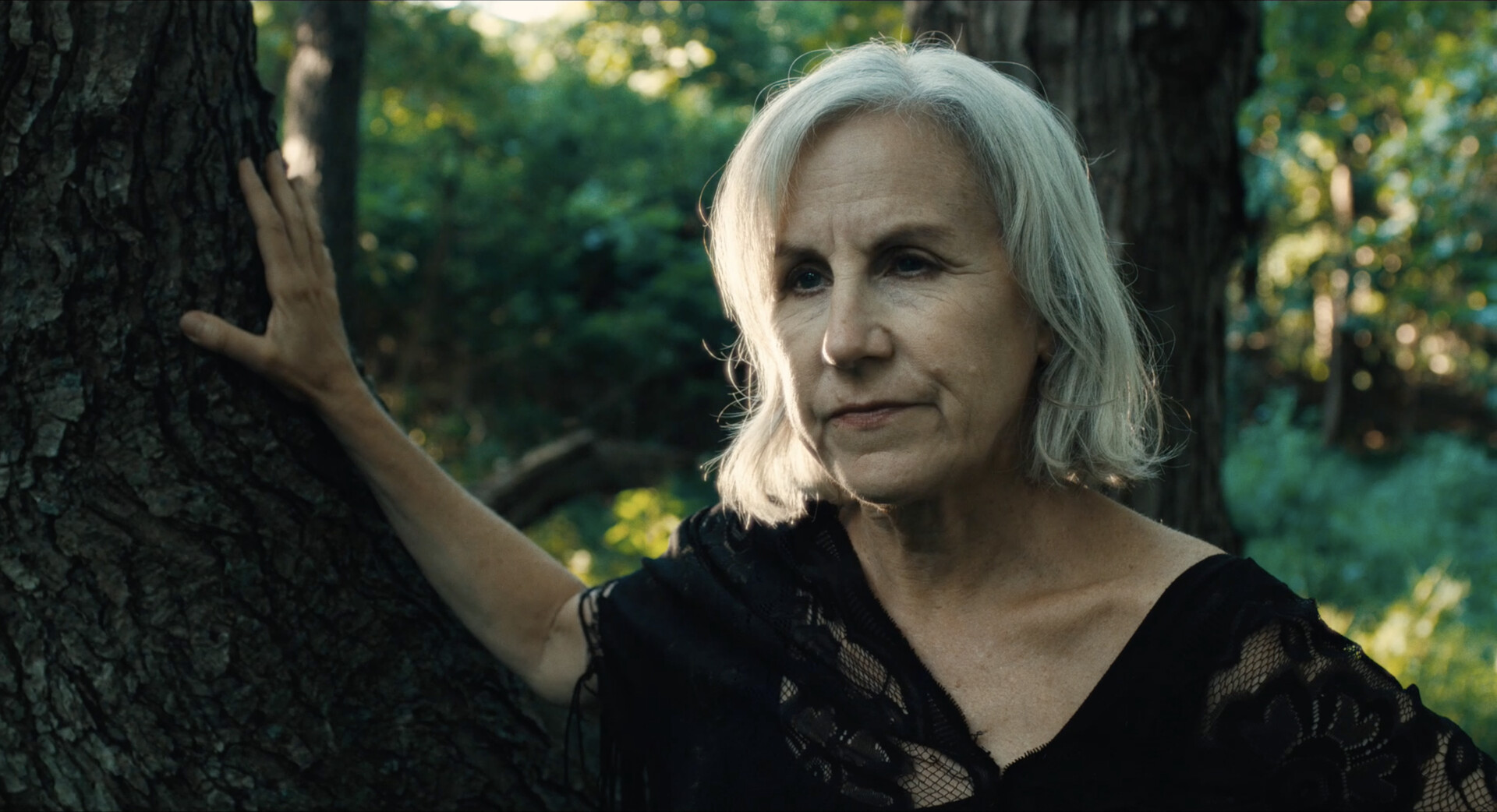
Borlo's role of the woman at the heart of the matter is of revelation. Throughout much of the early running time she is mute; much is said in the physical movement alone: the hesitancy that comes through in the bark, the instinctive flinch when moving towards approaching footsteps, the steeling of resolve over time. But here is a still brutality and a survivors' wit that says "No, don't make me a victim. To her credit go a weighty bank of character actors. One of the aliens is played from a grounded, almost maternal menace by Siobhan Fallon Hogan (Forrest Gump, Dogville, Men in Black) every move she makes imbuing ritual meaning. Welker White (Goodfellas, The Irishman and The Wolf of Wall Street) provides layers of complexity; one moment he's inviting you into his luxurious home, the next you're singing a Caples Ad Award-winning anthem with his icy tunes. Peter Hogan and Mary Keefe complete the three with dedicated, textured playing that invests the ritual with a sense of antiquity, yet a threatening modernity. As Borlo mentions in her director's notes, the bond and chemistry between the four women buzzes with uncommunicated pasts, tracing a generational path that weaves through, and perhaps stems from, grief and resilience.
Thematically, Nomina is filled out and has no qualms. Folklore and magic are a form of vocabulary to describe an experience that words has not been able to describe. It was never clarified what the ritual is in the heart of the film because it is “ambiguous” and this is where its strength is. Without resorting to clinical jargon, viewers are able to experience the cyclical nature of addiction, the disorienting mire of PTSD, and the cunning possibility of living otherwise. Borlo's poetic soul is clearly evident in the film's cutting, which oozes with rhythm, and in the visual games, like circles of stones, veins of roots, water reflections of skewed faces. These elements make this so-often simple survival story more like a waking dream or fevered memory. The film makes the most of its runtime: all of its moments contain tension, and its athletic pacing, as Borlo calls it, keeps it from ever being passive or exploiting.
More, of course, high-quality sound design and music score make this feel more encompassing. Gentle hojas breathe softly and become murmured spells. Distant water noises give an impression of purifying and drowning. Sparse with an ambient and folk feel, it never overpowers but rather feels like a growth of the environs itself. Sometimes, there's an awkward moment or a broken twig that pops the silence with a 'what the...' or a voice that appears from another place in the frame, ones that stay with you after the credits have rolled.
As with all first releases, there are some flaws to this one, particularly, this one. For some of the viewer the mythic symbolism may be somewhat obscure and some of the scenes may be more mood than linear narrative. The beating of the climax is good, but it's certainly so high-powered that some moments of emotion might be quite a bit underbaked on the first viewing. But it's just some minor tremblings in an otherwise rock-solid performance. Borlo shows trust in her audience to have an intuitive, bodily reaction to the film, and that is something of an achievement, and a reward.
Nomina is a deeply moving and enigmatic experience for people who are open to discovering the forest. It's a movie that will pierce through your skin, and your pictures and the questions will keep coming up like half-forgotten dreams. In announcing herself as a filmmaker of rare sensitivity and vision, Alex Borlo is turning out to be right. Nomina is not only a potential damning debut but rather a completed piece to stick with for years to come. In her exploration of what is often said in silence, Borlo has created a filmic ritual of her own, one that asks viewers to gaze on their own, unspoken intimations of darkness and see, much like her protagonist, an unanticipated power in the act.
2026, USA, 6 min
Claire Mckey Berkman
Produced by:
Cast:
Siobhan Fallon Hogan, Welker White, Alex Borlo, Peter Hogan, Mary Keefe
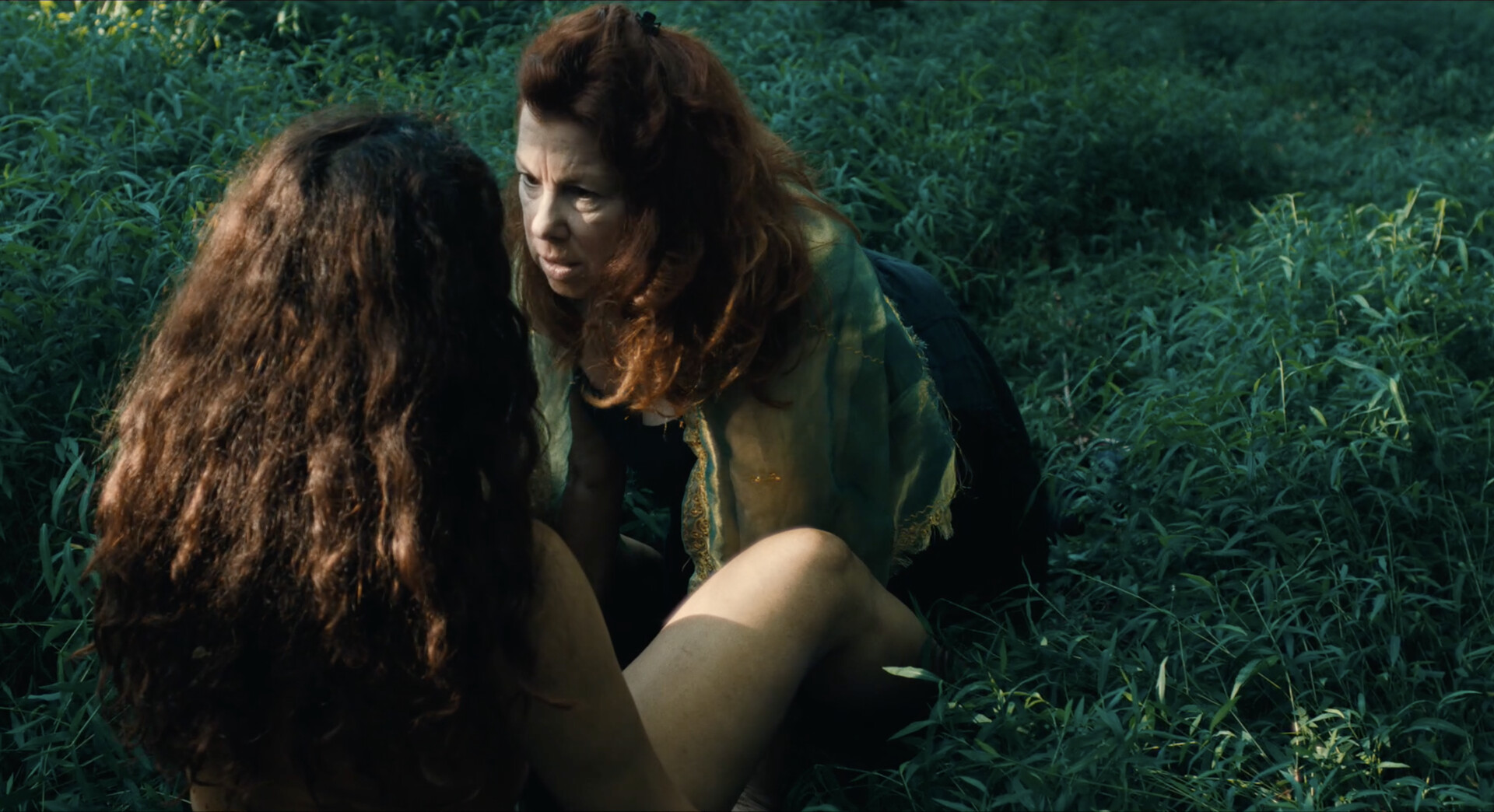
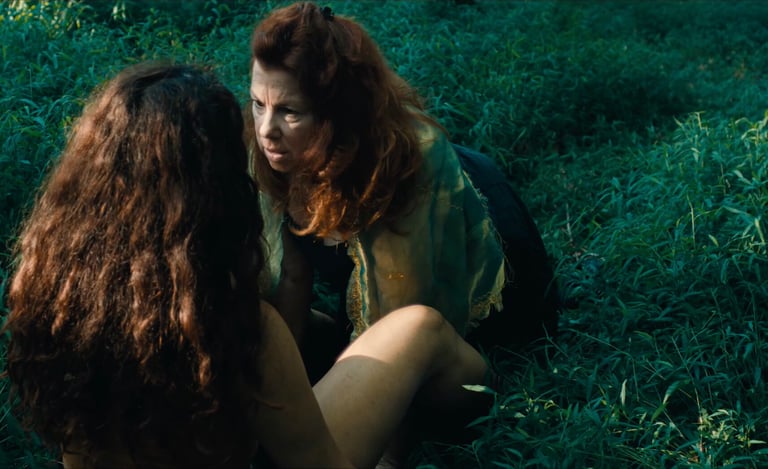
In its genre and myth, Nomina is an expression of the force of personal narratives. As trauma stories can sometimes seem fake or lack depth, Borlo presents the film in a more honest light, a film that celebrates the messiness, the silence and the surprising resilience in the wake of grief. The film is both intensely personal and crisscrossed with political resonance, all while placing women's intergenerational experiences of pain and survival at the center.
Borlo has pulled off what few have: a small film with great scope, emotion and movie ambitions. Although her theatre background shows, the ritual scenes in the film are theatrical and the film is cinematic in its use of landscape and camera. She is a fearless performer and creator, as she explains that part of her passion as a performer is “what is surprising, what hurts and what might make it better.”
Peter Garajszki
Director of Photography:
Colorist:
Arianna Shining Star
Music by:
Will Tahan
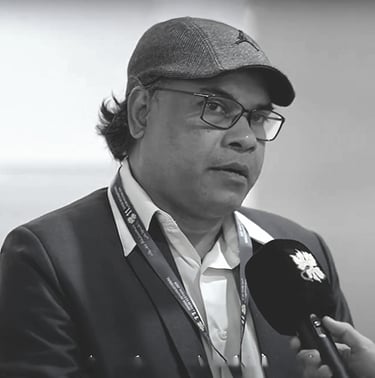

Ashraf Shishir
Luminous Frames & International Emmy Awards Juror | Golden Globe Voter
© 2026. All rights reserved.