


Dearly Beloved

Synopsis
Dearly Beloved is an experimental meditation on Belize as both sanctuary and scar. Through shifting rhythms of image and sound, the film drifts between intimacy and distance, memory and erasure, revealing a landscape where beauty is inseparable from loss. Fragments of ritual, silence, and everyday life accumulate into a portrait of a nation caught between paradise and precarity. Neither documentary nor fiction, Dearly Beloved lingers in the paradox of belonging to a place that is as tender as it is unforgiving.
Belizean filmmaker Rasheed Hasan Joseph Palacio portraits in his short film Dearly Beloved his view of the country where he was born. Far from any traditional approach, Palacio collects different, and often colliding, perspectives towards Belize. As a visual anthropologist, he dives deeply into History and Culture, dealing with a myriad of sources, from touristic advertising to broadcasting news, from music to official announcements, not ignoring prejudice biased opinions. No choice would be more appropriate than the experimental format to accommodate this assembly of materials.
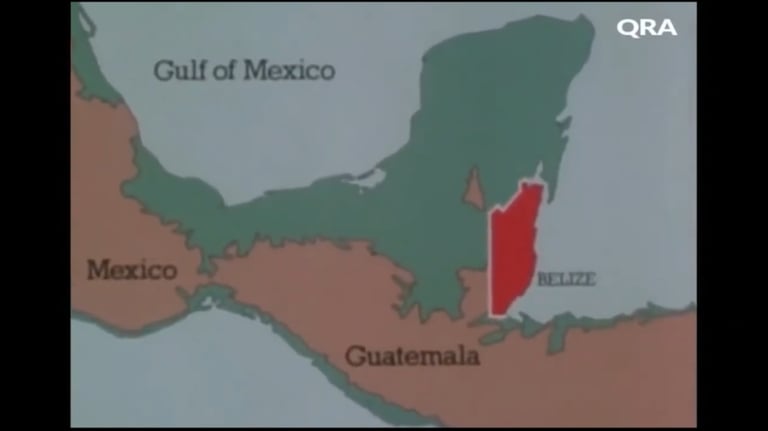
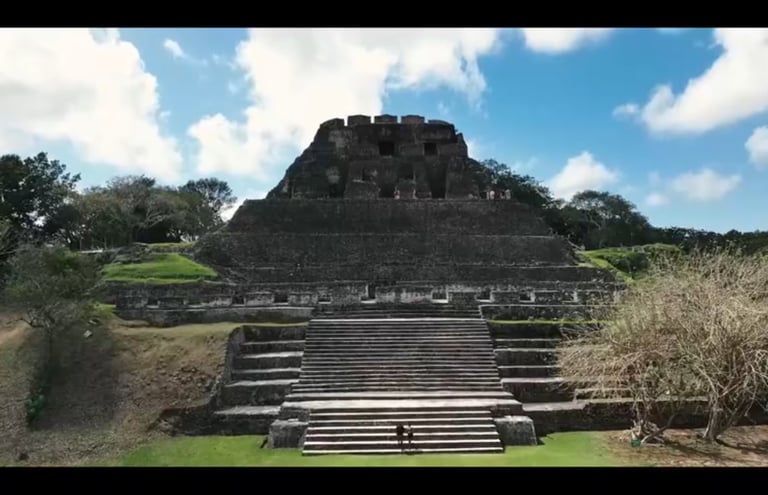
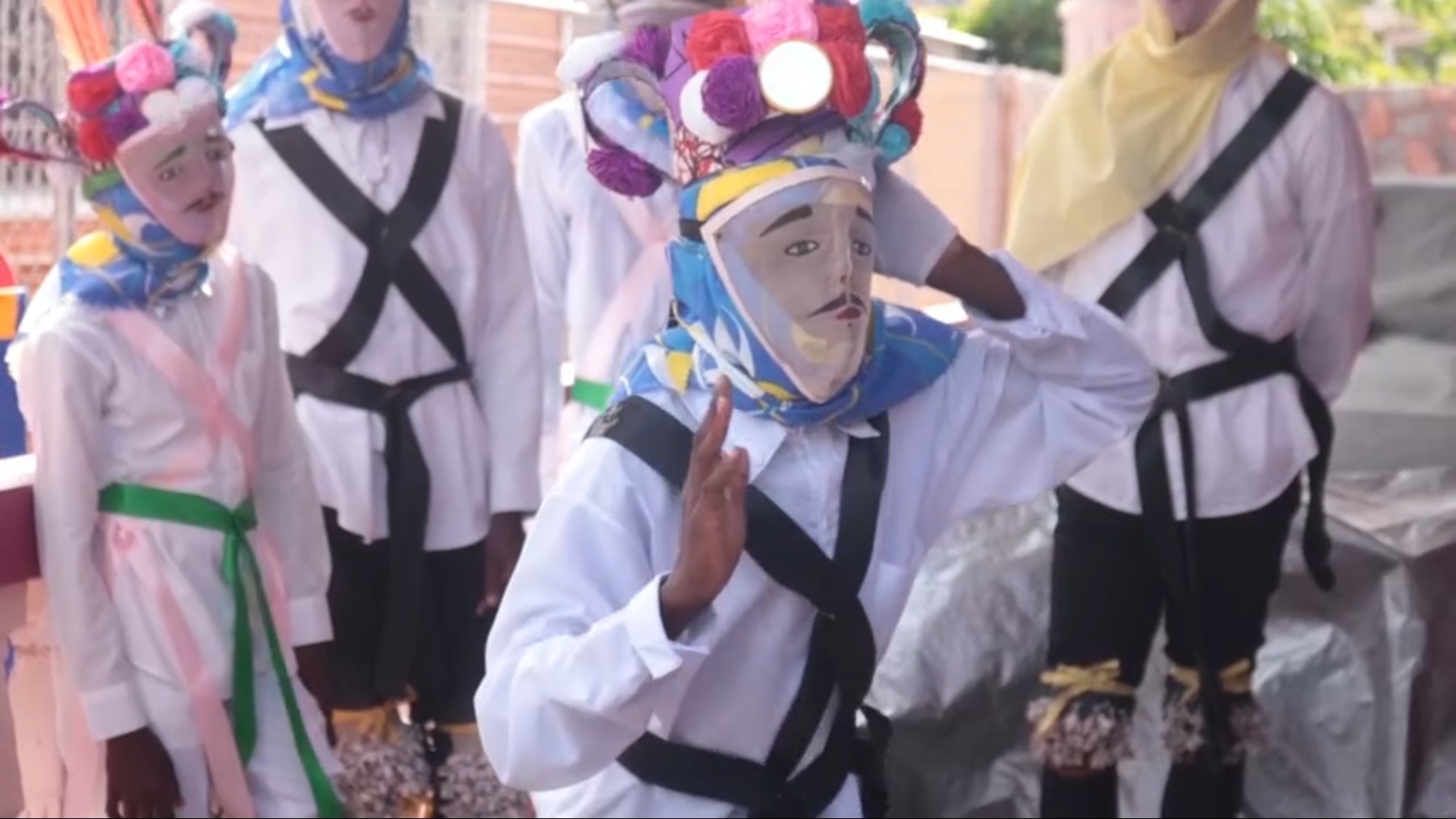
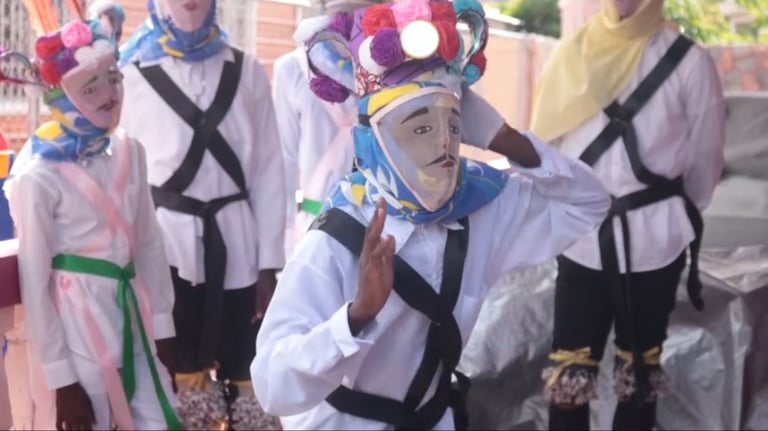
The movie begins stablishing the essential knowledge of the geographical location of Belize, acknowledging that many viewers do not know where it is. And by using old maps, including one that refers the country as British Honduras, Palacio already anticipates his experimental approach. Following, TV or radio programs shamelessly affirms that Belize is a nasty place, and its people are lazy. The images in certain parts are from the same program, but some clearly are not. Sometimes they corroborate with what is being said, but most of them either contradict or have nothing to do with the narration. Politics, demography and violence are the other themes in the film while touristic advertising presents paradisiacal scenery, or local people are dancing happily. Likewise, when the narration affirms that the Belizeans do not appreciate hard work, the movie show artists performing – it seems that the movie questions if who makes art is not working.
Directed by
Rasheed Hasan Joseph Palacio
Rasheed Hasan Joseph Palacio
Written by


Rasheed Hasan Joseph Palacio
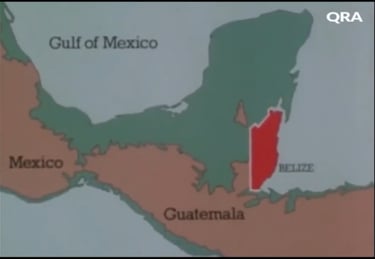
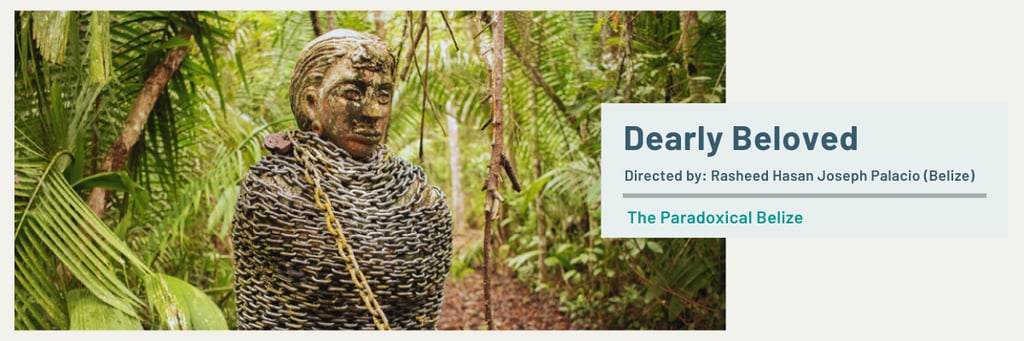
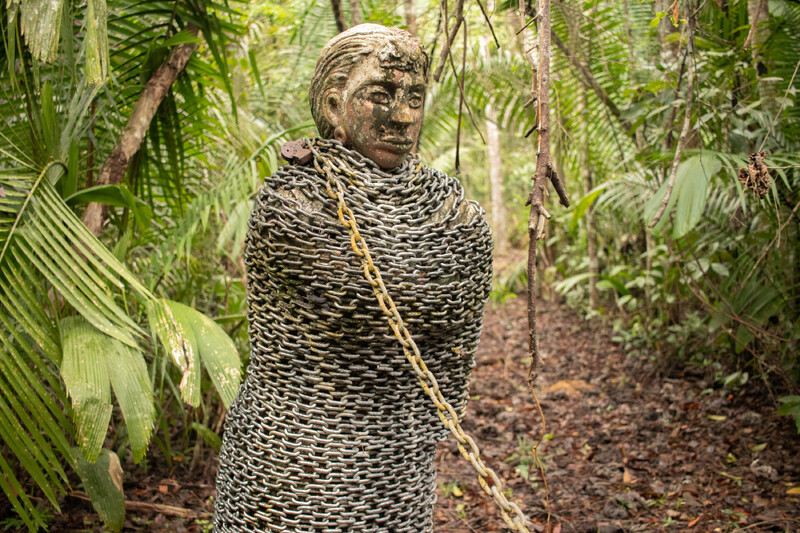
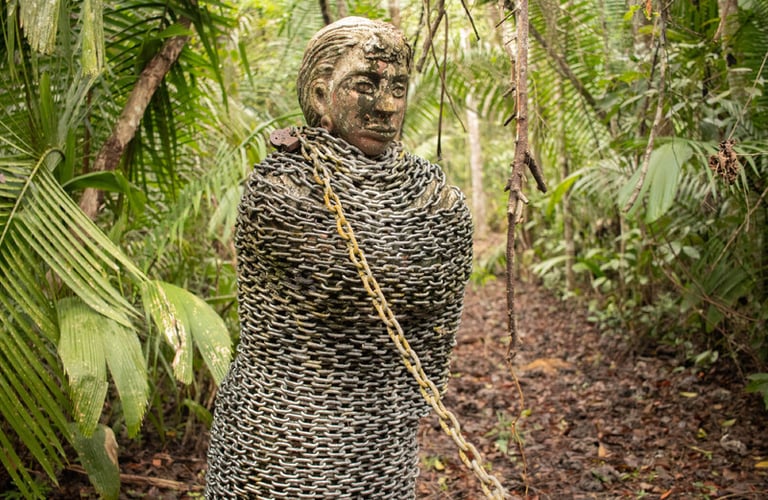
Dearly Beloved criticizes all these depictions. They are fragments of a country still very young – its independence from the United Kingdom happened in 1981. So, it is understandable that different opinions still exist. However, Palacio gives voice to the Belizean people, who are urging for the sedimentation of their national identity. Besides that, the movie discloses contemporary problems, especially violence, with images of a statue covered in chains and a vertical jail in the forest in parallel to modern prisons. Palacios alert that misinformation has serious consequences. For instance, it may attract convicted, or nearly to be convicted, people to flee to Belize believing that they will not be caught there. In the final part of the movie, the narrator (probably the director itself) reads a text that discloses his concern with the future of the country that he loves.
The various sources of images and narrations are combined by theme in segments, thus resulting in a thought-provoking exercise. It is not always logical, as some images do not coincide with what is being said, not even as an opposition. But that is the proposition of Rasheed Hasan Joseph Palacio, and therefore he has accordingly chosen to make an experimental film.
The quality of the images is also understandably different, as the sources are many. However, it seems that in some portions they are inserted randomly, without a thorough selection of the available material. In the other hand, the sound should have been equalized. Some parts are significantly louder than others, therefore creating some difficulty to be heard properly. The rhythm is consistent with the proposal, but it gives uneven longer attention to the problem of violence.
Rasheed Hasan Joseph Palacio achieves his goal to publicize what anguishes him and all Belizean people in relation to how their country is seen worldwide. Dearly Beloved discloses the pain caused by prejudiced opinions and longs for a balance between actual critical problems and the idyllic propaganda for foreign tourists. The director dares to send this message not in the traditional, sometimes academic, form of a classic documentary. By daring to make an experimental movie, he chooses to display his ideas as a train of thought, when one insight leads to another freely.


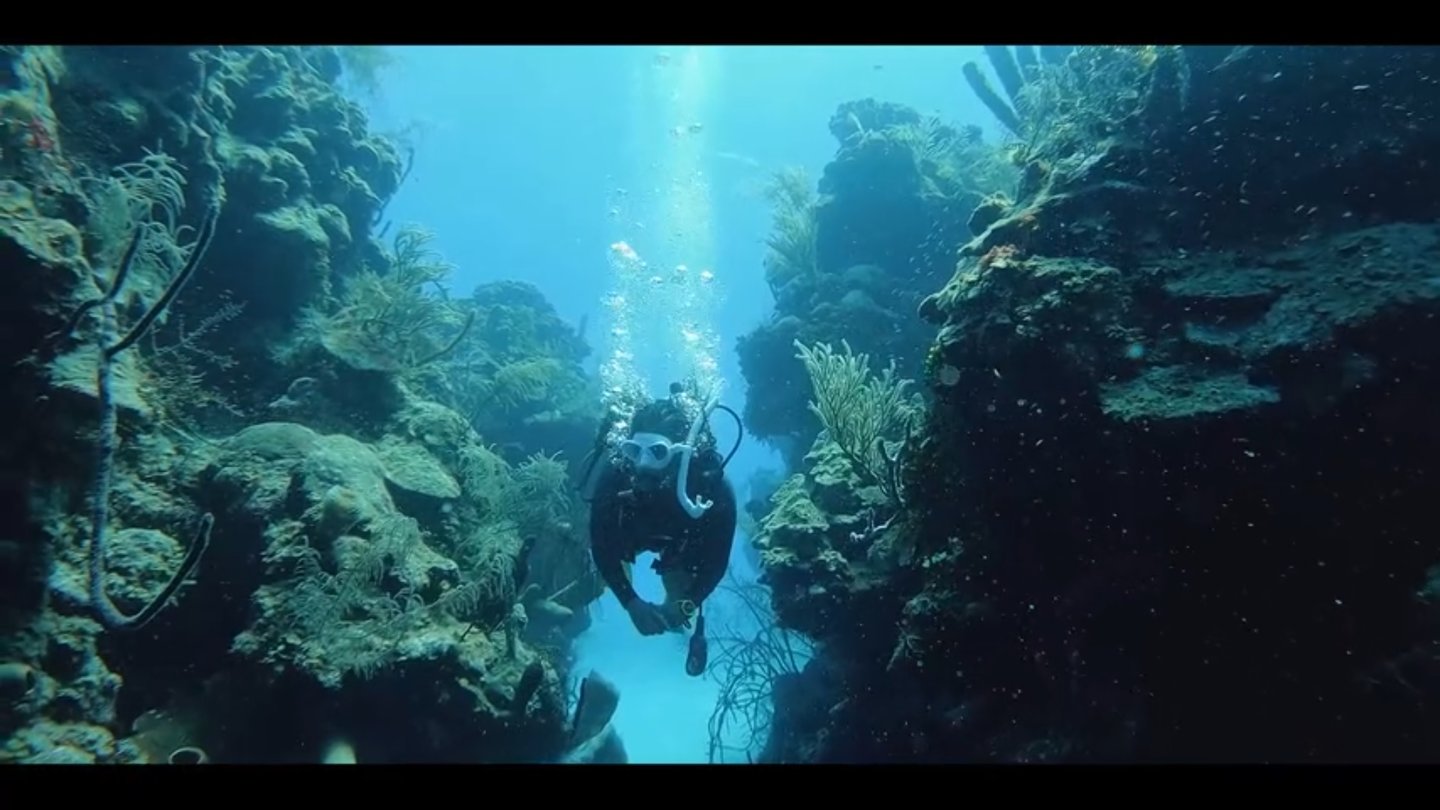
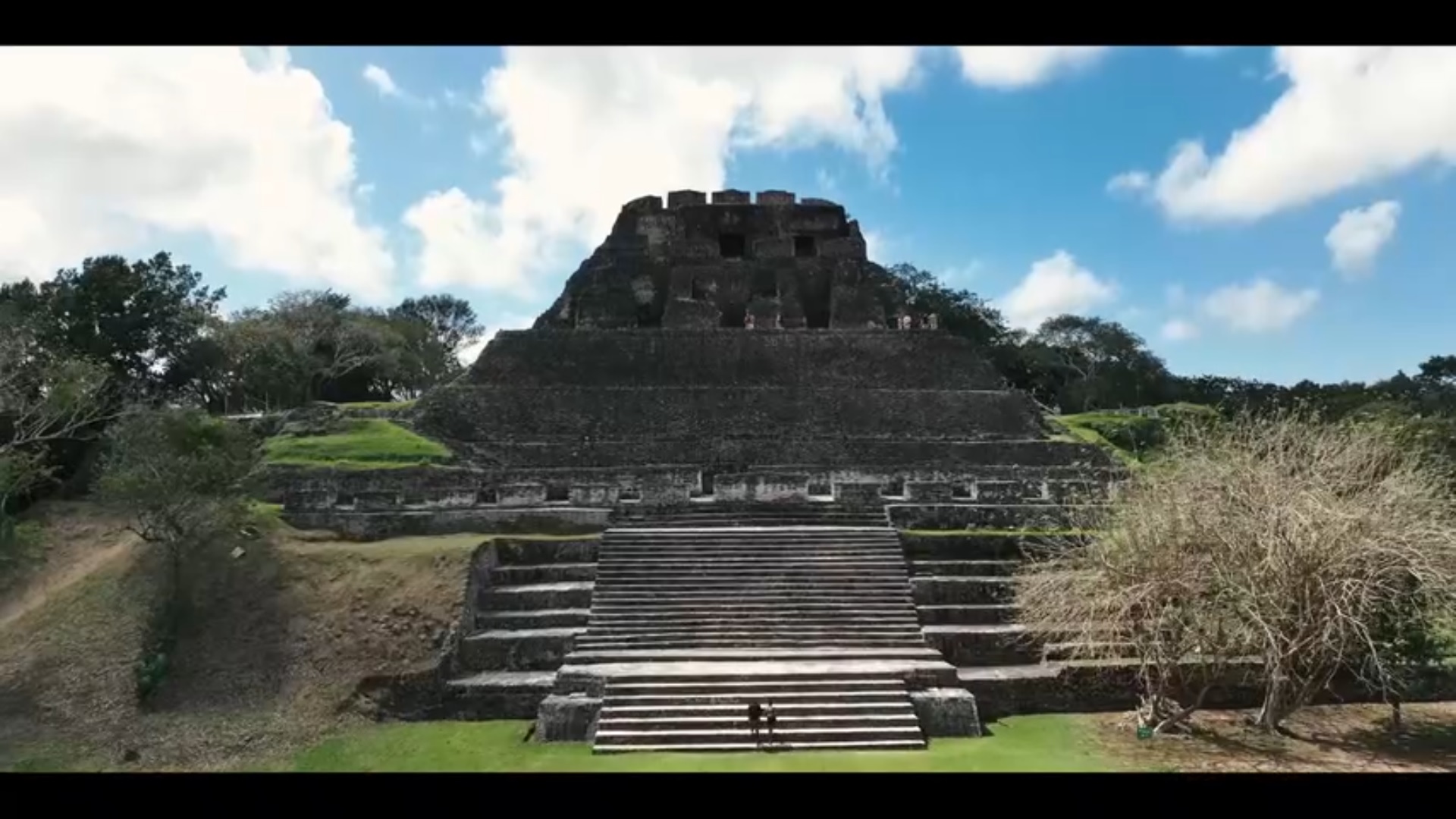
2025, Belize, 13 min
Rasheed Hasan Joseph Palacio
Produced by



Eduardo Kaneco
Film critic, the founder of Leitura Filmica
© 2026. All rights reserved.