


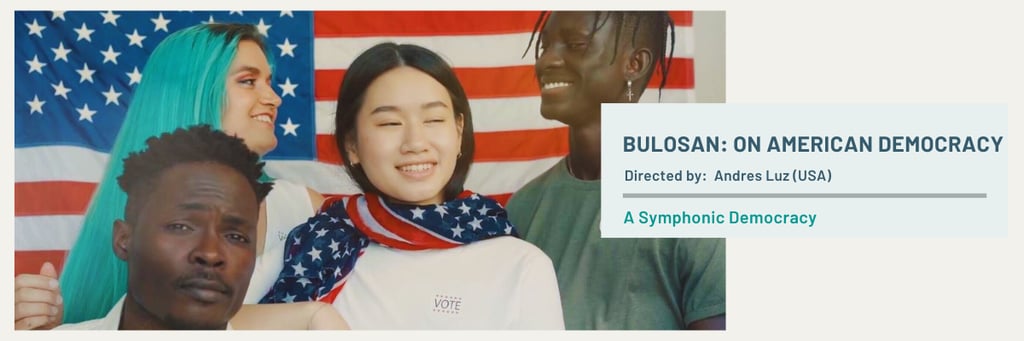

BULOSAN: ON AMERICAN DEMOCRACY
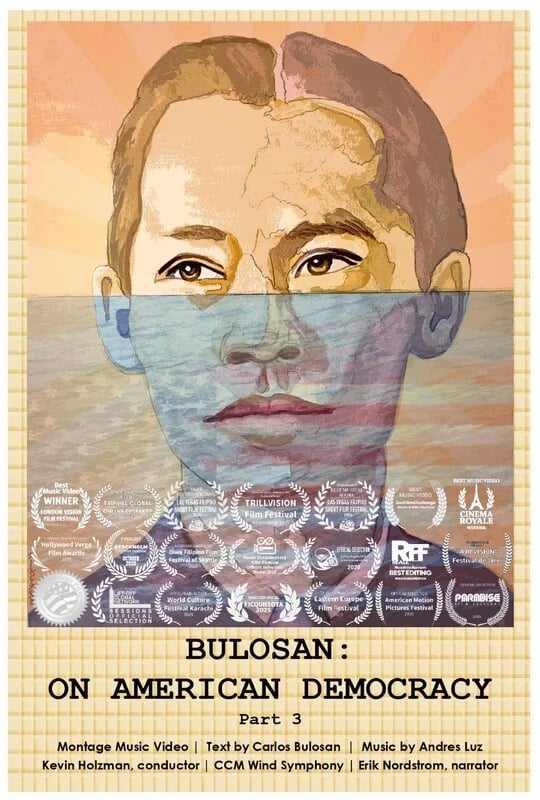
Synopsis
A defense of American democracy against worldwide fascism & domestic racism on words by Carlos Bulosan as hybrid dramatic music video & documentary.
In the time when the echo of January 6, 2021, is still resonating within the walls of American civic life, and the truth about the freedom of American democratic ranks looks more unstable than ever, the short film BULOSAN: ON AMERICAN DEMOCRACY, Part 3 by ANDRES LUZ becomes an essential hybrid object: a 12-minute montage music video combining historical narrative with documentary, dramatic, and symphonic storytelling in an urgent call for reflection and strength. This short film, which is an extension of his 2022 doctoral dissertation at the UNIVERSITY OF GEORGIA, is not a detached companion to his 2022 narrative with wind symphony and fixed media, but instead a cinematic glimpse into the perennial wisdom of Filipino-American labor activist and author CARLOS BULOSAN (1913–1956). Basing his work on excerpts found in Bulosan’s semi-autobiographical novel America Is in the Heart (1946), as well as his essay titled Freedom from Want (1943), Luz exposes the specters of fascism, authoritarianism, and domestic racism—the same threats against which Bulosan wrote during the 1930s and 1940s, when he struggled as a migrant worker in California and Washington State. What it has produced is an artifact that is both historical and desperate, suggesting to the audience that they are called to responsible civic participation (as Luz puts it in his director’s statement).
Directed by
Andres Luz
Carlos Sampayan Bulosan
Written by


Andres Luz
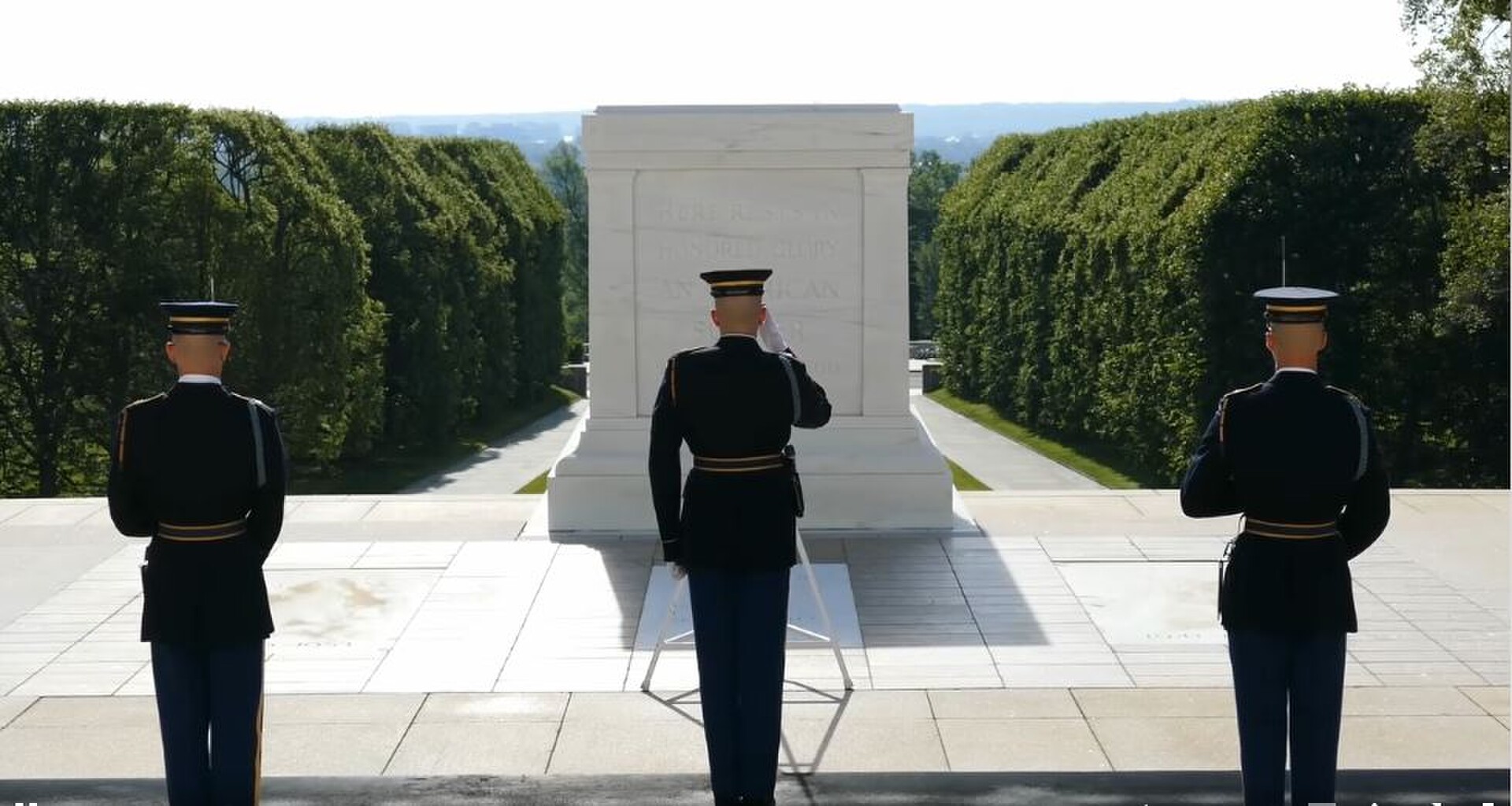
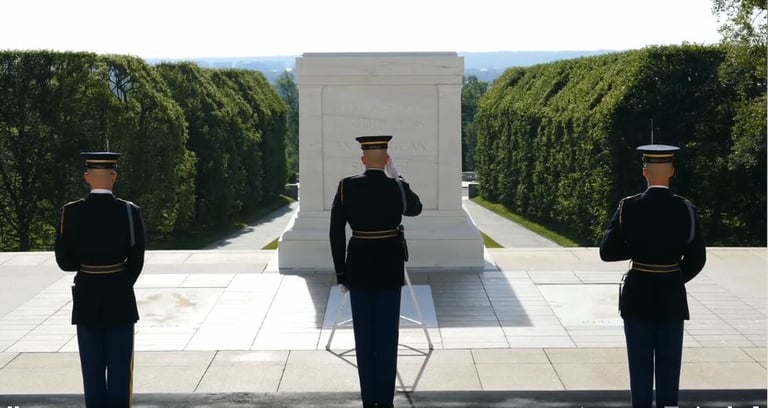
The strength of BULOSAN lies in its unconventional construction: it is a unique hybrid, difficult to categorize within the conventions of a music video, yet grounded in historical footage and prose-driven narrative drama that provide both evidentiary weight and developmental depth. The piece was premiered by the Wind Symphony of the College-Conservatory of the UNIVERSITY OF CINCINNATI, with narration by ERIK NORDSTROM, and served as the underlying composition for the 2023 American Prize for Wind Ensemble Composition in the University-Level division, where it placed first overall and second in Social Justice–related content. It was later featured on Wind Orchestra Masters, Volume One of ABLAZE RECORDS (2024), receiving critical praise from FANFARE MAGAZINE (KEN MELTZER), who described it as eloquent and moving, and from COLIN CLARKE, who highlighted its expertly structured and emotionally powerful design. Luz, now working under the name DR. ANDRES R. LUZ, transfers this musical achievement into the visual poetry of a film that plays as powerfully in concert halls as it does in cinematic contexts. Although he notes in his festival submission materials platforms such as LUMINOUS FRAMES, this short ultimately stands as a synthesized work of music and moving image, further committing Bulosan’s legacy to social justice across global communities confronting their own reckonings with inequality.
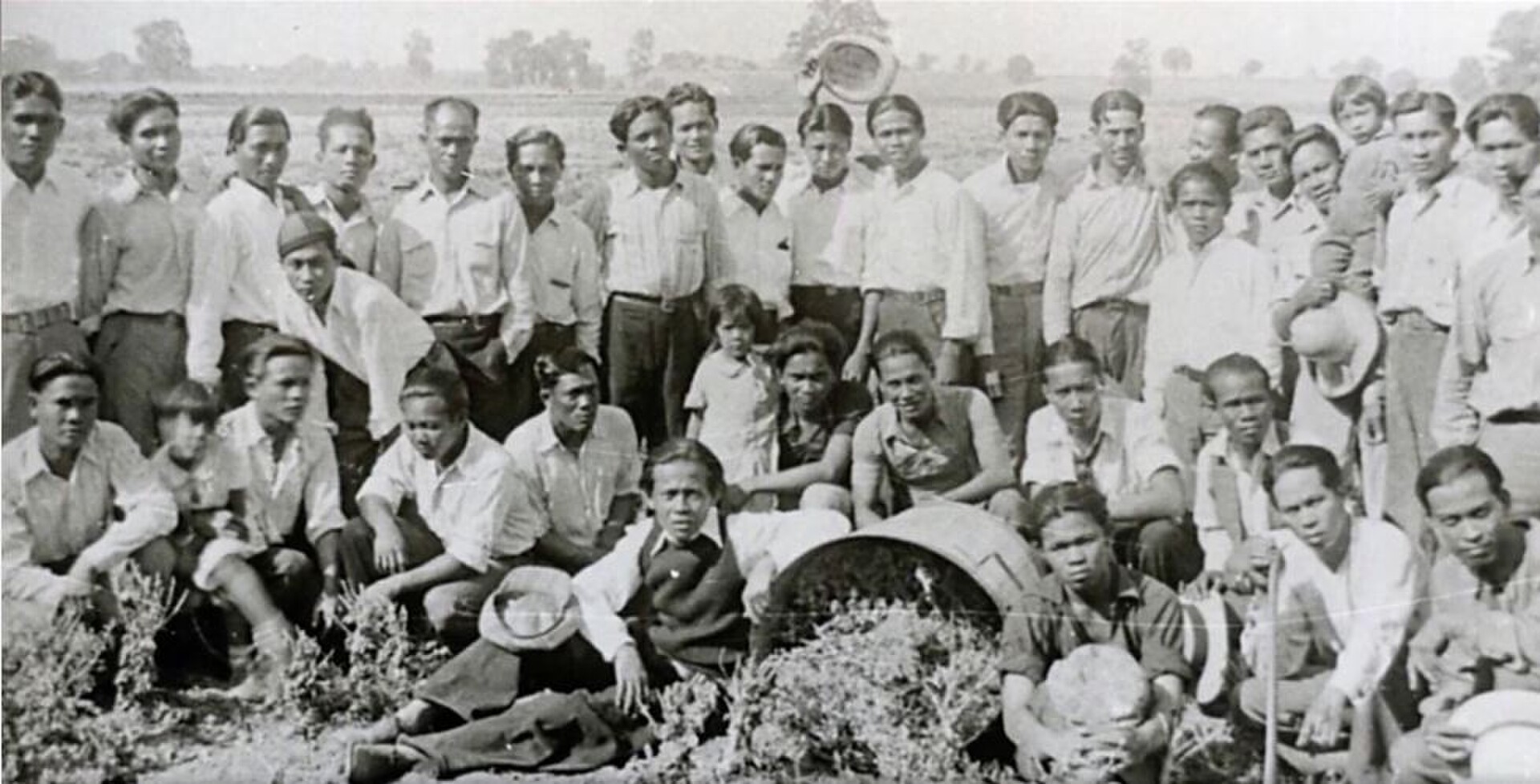
The movie begins with a flood of black-and-white sequences, grainy shots of workers walking out during the Depression and bent laborers in the California fields during the heat, and newsreel shots of doing away with fascist demonstrations in Europe; but then the footage shifts to shots of children grasping mangled folds of the American flag, black men brawling on both sides of the street. The voice of narrator Erik Nordstrom, monotonous and powerful, reads Bulosan: I came to know that in the dark is not made democracy but in the sunlit fields is where men and women work. These verses extracted out of America Is in the Heart represent the thematic backbone of the film, a contrast to the Imperial brass and percussion winds of the Luz score. The postmodern chug of the music composed of research done by Luz under the tutelage of such artists as PETER VAN ZANDT LANE and ANTHONY SUTER, develops into a storm of quiet determination, bursting into full symphonic self-control in the montages of the historical flashpoints. This is where the double nature of Luz as composer and director comes in: the images do not just tell a story as per the song; they move together in symbiosis, the cuts are made at the breathing of the symphony, and this gives the idea of a talking rhythmic dialogue which is exactly the way that Bulosan sees democracy as a living, collective project.
Aesthetically, BULOSAN is a masterpiece of restraint in montage, focusing on unglamorous influences of curation, instead of flash effects. Basing his work, as Luz did in his electroacoustic experience, including the fixed-media Premonitions, Landscape at Twilight (included in PLANETA COMPEJO, Vol. 4, 2024) on knowing where to place this found footage, so that the times of Bulosan, aiding the creation of our own age began to be established. One of the critical moments is the juxtaposition of the imagery of the 1940s anti-Asian riots with the current images of protests in 2020s, Black Lives Matter demonstrations, and the attack on the U.S. Capitol, where the harmonies of the wind section are dissonant, and the nature of injustice is a circle. These are not free associations; it is an essay on continuity, an invitation to the audiences to witness how the warning Bulosan offers against rampant racism back home is the kind of argument one might offer nowadays about immigration and voting rights, and authoritarian populism. The dramatic narrative vein of the film can be traced by creatures of the shade, symbolic but implied characters comprising the so-called everyman of the world Bulosan inhabits, of exploited workers and future citizens who use no words to arc their narrative: a clenched fist transforming into a voting ballot, and a handshake tying generations together. Gravitas acquired in live performances makes Nordstrom the storyteller who connects these details to his narration, and his timbre is what makes Bulosan prose a fourth movement in the music.
The direction of Luz has the clarity and restraint that was present in the early reviews of the movie and it is said to be conceptually exact and musically abundant and it is constructed by the means of historical recordings but it is vibrating with the symphonic discipline. The rhythm is placid, nearly liturgical, with the 12 minutes broken down into movements reminiscent of the structure of the composition: an expository adagio of historical foundation, a stormy allegro of modern menaces, a promise of coda of civil renewal. In terms of the cinematography, there is no classic lensing, Luz uses the manipulation of the archives, colors them with sepia desaturant colors to distort the time, but this is done technically, this is what reminds the viewer of the fixed media of his music. Sound design does not leave a footprint, as the live recording of wind symphony creates a sense of organic warmth that juxtaposes the cold historicity of the footage; swells created by the fixed electronic elements – subtle drones and echoes, as well, contribute to the sense of uneasiness, reminding us that the democracy is fragile. The only complaint is that, if there is the slightest issue, it has to do with the excessive clogging of montages, where the sheer mass of numbers tends to drown Nordstrom out, but this is reflective of the reasonable anarchy of the so-called sociopolitical zeitgeist that Luz is attempting to unravel. More fundamentally, the U.S.-centric viewpoint of the film, though based on the experiences of Bulosan in California and Washington, perhaps makes the film less palatable to the non-American audience, but the ambitions of Luz to attend the festival indicate a conscious effort on the part of the director towards making the film more universal.
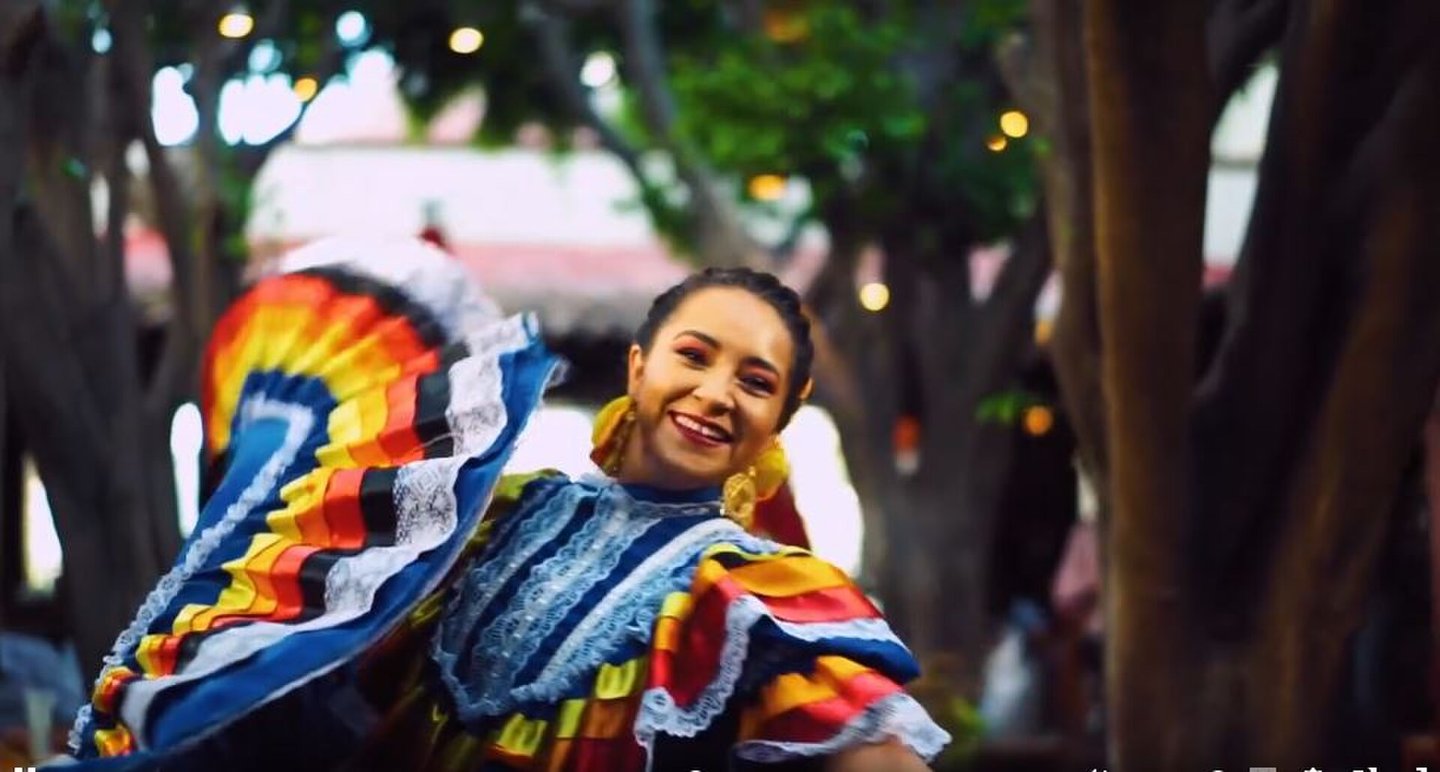
Thematically, BULOSAN stands as the fortress against laziness where through the life of Bulosan, he tries to investigate the asking about inclusion and equality. Bulosan was born in the Philippines, radicalized in American exploitation, and wrote of democracy not as an abstract rhetoric, but as a promise that, because of his marginality, he could not win easily: freedom from want. Luz, whose educational journey, including B.A. at CALIFORNIA STATE UNIVERSITY, EAST BAY (magna cum laude, 2013), M.M. at UNIVERSITY OF REDLANDS (2016), and D.M.A. at UGA (2022), cuts across intersectional struggle through such organizations as SEAMUS and the SOCIETY OF COMPOSERS, INC., recognizes this by anticipating intersectional struggles. The conclusion to the movie a bright montage of different faces, the Filipino elders, Black activists, Indigenous leaders, all rolling out on a cacophony of, yet, suddenly optimistic reeds, comes to the statement of Bulosan: in the end, democracy is a promise we make to ourselves. It is an experience of the deepest uplift, a kind of idealized-time vision of what Luz calls the discussion and reflection, particularly heartfelt in the year 2025, after a divisive election year.





2025, USA, 12 min
Andres Luz
Composer:
Part 3 of BULOSAN: ON AMERICAN DEMOCRACY, being his first work, saw Luz as a polygraphy creator; composer, theorist, electronic innovator, and now visual narrator; his composition performed by orchestras such as ATLANTA SYMPHONY ORCHESTRA and published by MURPHY MUSIC PRESS. Although 1 and 2 will need funding to be adapted, this sequel exists in its entirety, which is why hybrid art deserves a chance. Delicate but fervent, it does not address itself to spectacle but to composition through its silent force of, that is, of, balance, intention, and inexorable march of development. It will be an indispensable sight to those attending LUMINOUS FRAMES festival, or any other festival, to get them to wake up by showing that democracy is not the silent spectator, but the orchestra of voices scouring the door at the visitor so insistently.


Ashraf Shishir
Luminous Frames and Emmy Awards juror.
© 2026. All rights reserved.